Chiller failure can disrupt operations without warning. Cooling systems support comfort, safety, and productivity. When a chiller stops working, the impact spreads quickly. Energy waste increases. Indoor conditions become unstable. Equipment stress rises. Unplanned repair and energy costs increase rapidly.
Most failures do not happen suddenly. They develop over time. Small technical issues remain unnoticed. Routine checks are skipped. Early warning signs are ignored. Understanding common failure points helps prevent downtime. It also protects system performance and operating budgets.
Understanding the Core Causes of Chiller Issues
Chillers are complex systems. They rely on balanced mechanical and electrical operations. When one component weakens, the system reacts. Failures often share similar root causes.
Poor monitoring is a common issue. Inconsistent servicing increases risk. Incorrect load management adds pressure. Environmental conditions also affect performance.
Early awareness allows corrective action before system performance declines.
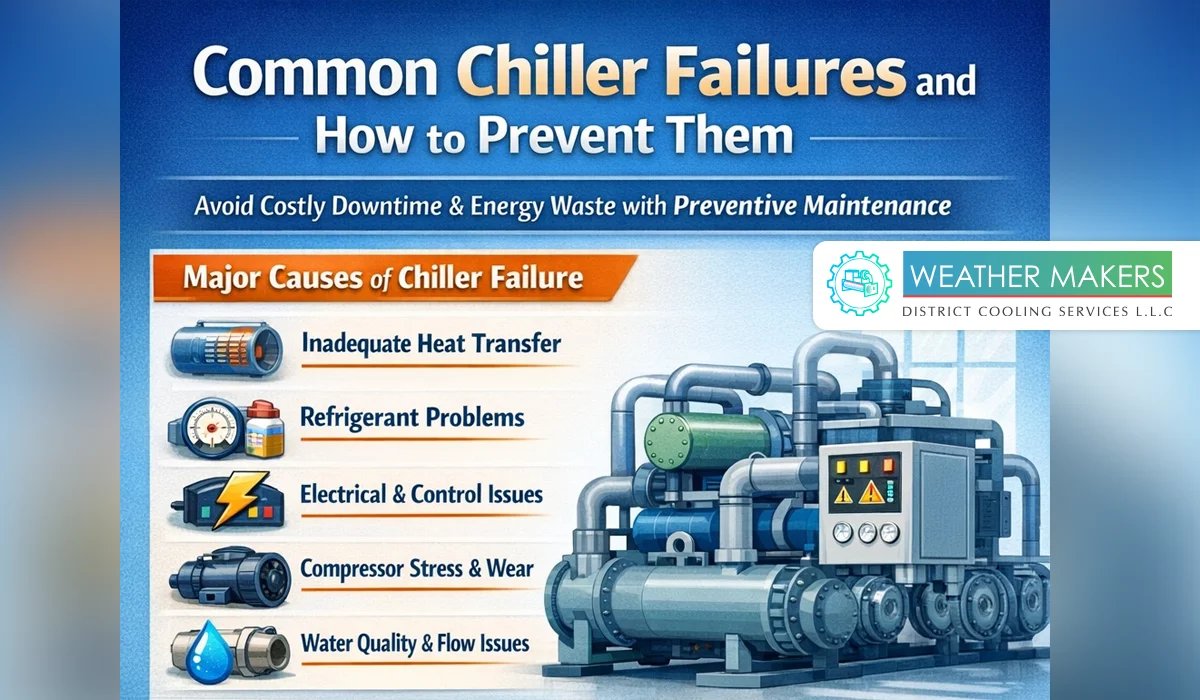
Major Causes of Chiller Failure
Several issues appear repeatedly across commercial cooling systems. These problems are avoidable with proper attention and planning.
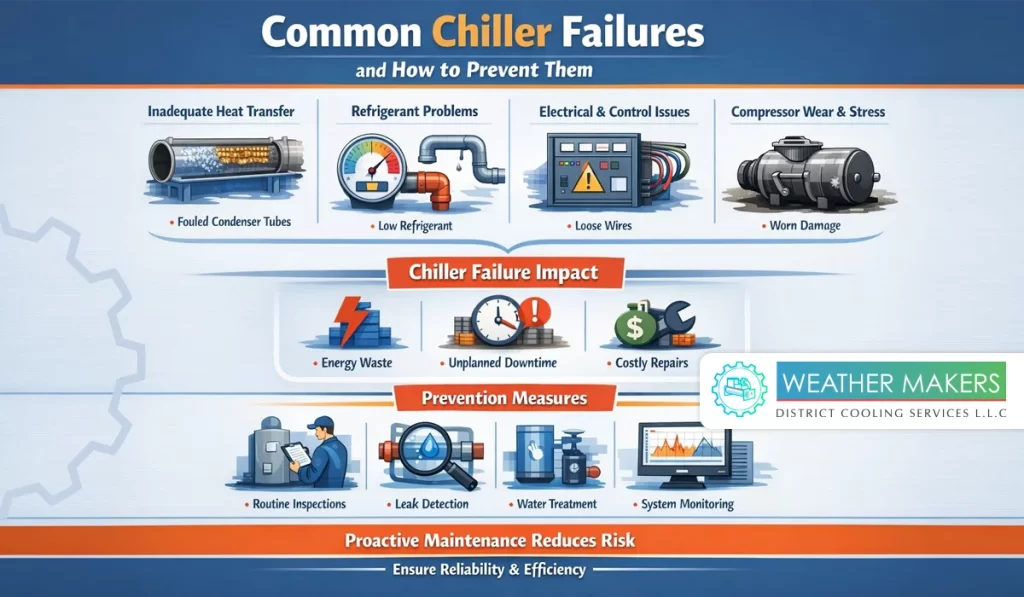
1. Inadequate Heat Transfer
Heat transfer keeps the chiller efficient. When blocked, performance drops fast.
Common causes include:
- Fouled condenser tubes
- Dirty evaporator surfaces
- Scale buildup inside coils
Restricted heat flow forces the system to work harder. Energy use rises. Component wear accelerates.
Regular inspections help identify fouling early. Cleaning restores efficiency and stability.
2. Refrigerant Problems
Refrigerant levels must remain precise. Even small imbalances create issues.
Typical refrigerant problems include:
- Low refrigerant charge
- Leaks in connections or valves
- Moisture contamination
Low refrigerant causes poor cooling. Leaks damage compressors. Moisture leads to corrosion. Pressure readings help detect early signs.
Leak detection programs reduce long-term damage.
3. Electrical and Control Failures
Electrical faults cause sudden shutdowns. Control issues disrupt normal operation.
Common electrical concerns include:
- Loose wiring
- Sensor malfunctions
- Faulty control boards
Voltage fluctuations also damage components. Controls should be calibrated regularly. Electrical panels must be inspected and secured.
A stable power supply is necessary for reliable systems.
4. Compressor Stress and Wear
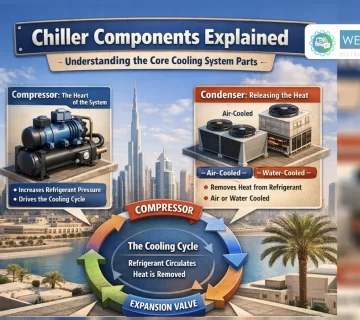
The compressor is the heart of the chiller. Excessive stress shortens its operational life. Stress develops due to:
- Poor lubrication
- Incorrect refrigerant pressure
- Frequent short cycling
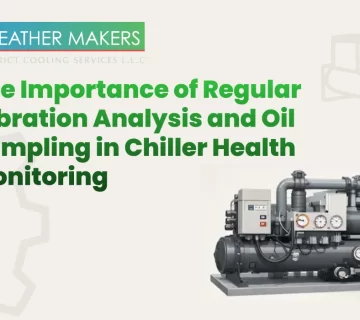
Once damaged, compressor repair becomes costly. Preventive care protects this critical component. Oil analysis helps detect wear early.
Water Quality and Flow Problems
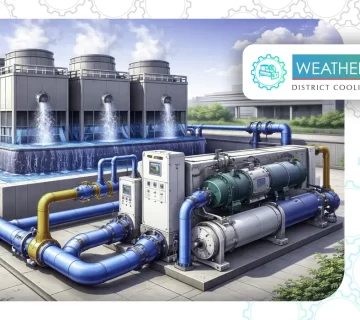
Water quality affects internal surfaces. Poor quality causes scaling and corrosion. These conditions reduce efficiency.
Flow issues also create instability. Low flow causes freezing. High flow increases erosion.
Key contributors include:
- Untreated water
- Blocked strainers
- Incorrect pump sizing
Water treatment programs maintain balance. Flow sensors provide real-time monitoring.
How Poor Maintenance Increases Failure Risk
Neglected systems degrade faster. Small faults grow into major failures.
Lack of planning causes missed inspections. Reactive fixes replace proactive care. This approach increases downtime and cost.
Professional chiller maintenance ensures systems receive structured attention. It keeps components within safe operating limits and reduces the likelihood of unexpected shutdowns.
The Role of Professional Support
Experienced technicians understand system behavior. They identify patterns that software may miss.
A reliable chiller maintenance company provides trained specialists. These teams follow documented procedures. They use calibrated tools. Information remains clear and actionable. Professional oversight enhances accountability and system longevity.
Preventive Measures That Reduce Risk
Prevention is far more effective than reaction. Structured programs limit operational surprises.
Key preventive actions include:
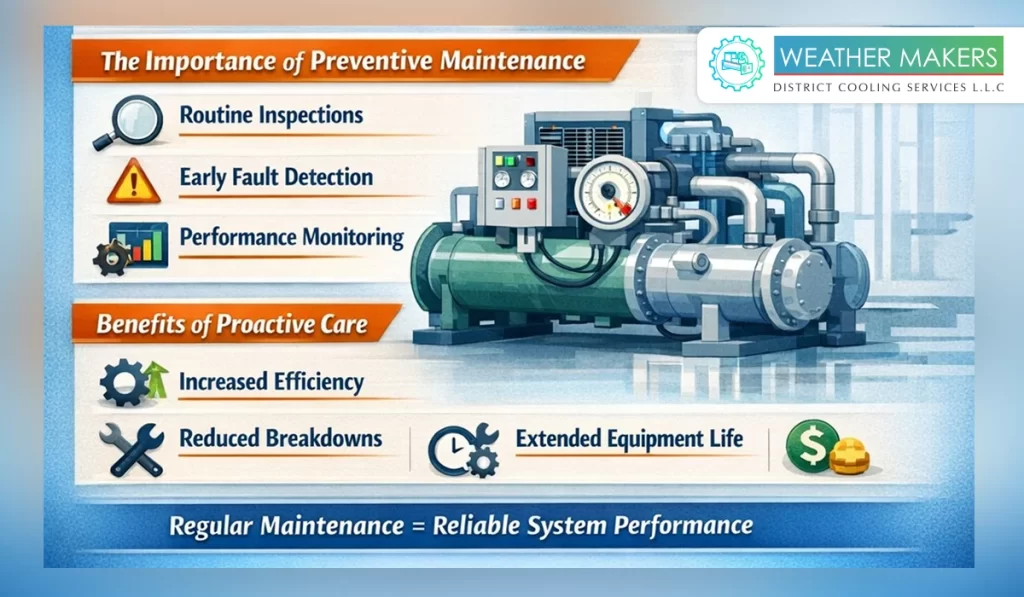
- Routine inspections
- Performance trend analysis
- Early fault correction
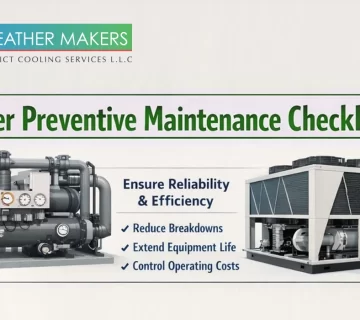
A planned chiller preventive maintenance strategy improves maintenance predictability. It helps schedule service around operational demands and reduces emergency response situations. Preventive schedules should match system usage and load patterns.
Importance of Timely Technical Intervention
Prompt chiller repair restores stable operation before additional components are affected. Early intervention limits downtime. It also protects connected equipment. Response speed matters during peak operational periods.
System Monitoring and Performance Tracking
Monitoring provides valuable insight. Data highlights irregular patterns early. Effective monitoring includes:
- Temperature trend tracking
- Pressure comparison
- Energy consumption analysis
Continuous chiller service supports informed decision-making. It helps managers logically plan upgrades and replacements. Data reduces guesswork.
Why Integrated Service Models Work Better
Fragmented servicing creates gaps. Tasks are handled in isolation. Important checks may be missed. Integrated support improves coordination across all system components. The inspection process requirements to be executed in a sequence which needs to follow through all identified issues until their complete resolution. The complete chiller maintenance services for chillers include three essential activities which consist of inspecting the system, conducting tests, and creating reports to ensure every single component receives proper assessment. Performance data is analyzed as a complete system, with documentation supporting compliance and budgeting. This enables decision-makers to have the confidence to plan for upgrades and repairs.
Long-Term Benefits of Structured Care
Consistent servicing extends equipment life. It improves operational confidence. It reduces sudden expenses. Reliable chiller repairing and maintenance planning support stable performance. It also protects capital investment. Systems operate within safe limits when care is planned. Wear and tear remain controlled over time. Energy efficiency stays consistent. Long-term care always costs less than replacing the system.
Conclusion
System performance requirements need a structured service approach. The organization needs to take timely actions which serve as the main method for decreasing risks. A proactive approach prevents chiller failure and supports uninterrupted operations. The detection of problems requires system and data checking as the fundamental method for early identification. Regular maintenance activities bring operational efficiency improvements while decreasing energy consumption.
Frequently Asked Questions
What is the most common cause of chiller failure?
The most common cause of chiller breakdown is poor maintenance. Small problems develop when the equipment is not inspected.
How often should chillers be inspected?
Chillers should be inspected regularly based on usage. Preventive schedules reduce unexpected breakdowns.
When should professional service be considered?
Professional chiller service is needed when performance drops or alarms repeat. Early action prevents major damage.