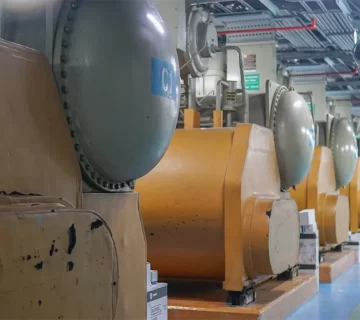
Chiller systems in contemporary buildings do more than just keep rooms cool. They promote more environmentally friendly methods of constructing, reduce energy use, and reduce operational waste. Logical cooling systems are now essential for fulfilling certification standards and sustaining robust long-term performance as companies play a greater emphasis on environmentally friendly operations.
The demand for cooling continues to rise. This makes it important for every facility to rely on systems that save energy without compromising comfort. Sustainable cooling is no longer a future practice. It is a direct requirement for buildings that want to meet environmental expectations.
Why Sustainable Cooling Matters
Cooling creates one of the highest energy loads in modern buildings. Reducing this load lowers environmental impact. It also supports improved performance under certification programs.
Sustainable cooling offers several direct benefits:
- Lower annual energy usage
- Reduced carbon emissions
- Less strain on mechanical systems
- Better indoor environmental quality
- Improved cost efficiency over time
With proper planning and implementation, efficient cooling helps organisations meet sustainability objectives .
Energy Efficiency and Load Management
Worthwhile cooling begins with efficient energy use. Contemporary chillers embody highly efficient compressors with variable-speed drives and intelligent monitoring systems. These technologies combine to enable optimal loading at every stage.
Benefits include:
- Accurate cooling output
- Reduced power waste
- Stable temperatures
- Better long-term reliability
Lower load means lower energy bills. It also reduces the carbon footprint created by daily operations.
Contribution to Green Building Certifications
Green building certifications focus heavily on energy consumption, resource optimisation, and indoor performance. Efficient cooling systems help buildings meet these requirements.
Common certification points linked to cooling include:
- Energy performance targets
- Water efficiency credits
- Mechanical system optimisation
- Indoor air quality
- Ongoing operational monitoring
Chillers support these areas by ensuring buildings operate with minimum waste and maximum output.
Key Certification Areas Supported by Cooling
Energy Performance:
Efficient cooling contributes directly to energy scoring. Reduced consumption improves rating performance.
Water Management:
Systems designed for responsible water use earn additional credits. Optimised cycles reduce waste.
Operational Monitoring:
Smart monitoring tools record data. This helps auditors verify compliance and sustainable performance.
Indoor Comfort:
Stable temperatures improve indoor environmental quality. This enhances overall certification potential.
Smart Technology and System Automation
Cooling technology has advanced significantly in recent years. Automation contributes greatly to energy conservation. Smart systems adjust output based on real-time demand. This prevents unnecessary usage.
Examples of automated efficiencies:
- Predictive load control
- Automated start/stop cycles
- Sensor-based temperature regulation
- Fault detection tools
- Energy reporting dashboards
Automation ensures performance is optimised without manual adjustments. It also supports compliance documentation for certifications.
Reduced Environmental Impact Through Better Operations
Cooling systems have a direct effect on environmental performance. Modern designs focus on clean operations, safe refrigerants, and waste reduction.
1. Low-Impact Refrigerants
Newer systems use refrigerants with lower global warming potential. This reduces environmental impact.
2. Improved Heat Transfer
Better heat-exchange processes reduce energy consumption. They also improve cooling speed.
3. Lower Emissions
Efficient systems naturally reduce emissions by operating at controlled loads.
4. Extended Equipment Life
Lower stress on mechanical components reduces waste and limits equipment replacement.
Importance of Regular Maintenance
Without proper care, the most efficient system cannot perform well. Maintenance keeps the system running at maximum levels. It also protects energy efficiency and certification performance.
Reliable service improves:
- System efficiency
- Temperature stability
- Mechanical reliability
- Water treatment control
- Long-term cost savings
Facilities rely on a trusted chiller maintenance company to keep equipment stable and safe. Proper care prevents breakdowns and protects investments.
The Role of Professional Maintenance Teams
Teams that provide chiller maintenance services understand the importance of correct system care. Their work supports both operational and sustainability goals.
They help with:
- Routine inspections
- Preventive cleaning
- Performance analysis
- Safety checks
- Water treatment management
Professional care gives systems the support needed to maintain efficient cooling under all conditions.
Enhanced Reliability Through Quality Service
Cooling systems operate for long hours daily. They need consistent attention to stay reliable. This is where specialist chiller services play a strong role.These services keep equipment stable and prevent performance loss. They also support early detection of system issues and help to avoid energy waste, reduce downtime, and protect long-term reliability.
Optimising System Performance
Performance optimization helps reduce operational costs. It also supports sustainability targets. Actions that improve performance include:- Temperature balancing
- Regular calibration
- Monitoring water flow
- Cleaning and descaling
- Checking pressure levels
Correct and timely chiller maintenance is essential for keeping performance at peak levels. It protects system efficiency and extends equipment life.
How Chiller Systems Support Long-Term Sustainability
Cooling equipment is a major contributor to building performance. When designed and maintained correctly, it becomes a strong asset in sustainability planning.
Sustainable cooling supports:
- Lower energy demand
- Reduced emissions
- Consistent indoor comfort
- Optimised water usage
- Long-term operational savings
Buildings that focus on sustainable cooling gain long-term value. They also achieve stronger results in certification audits.
Key Areas Where Efficient Cooling Adds Value
The value of efficient cooling extends beyond energy savings. It improves overall building quality and supports strategic development goals.
Key value areas include:
- Reduced lifecycle costs
- Improved system reliability
- Better environmental performance
- Stronger asset value
- Better tenant satisfaction
The latest facilities include cooling as part of their strategy for sustainability. It aids in compliance and performance.
Enhancing Sustainability via Modern Chiller Technologies
HVAC technologies continue to evolve, offering improved efficiency. All these developments focus on adding better opportunities for sustainability. Smart designs, efficient components, and automation tools all help.
Contemporary systems enable buildings to monitor data, observe outputs, and make changes instantly. All these allow the fulfillment of the energy goals necessary for recognized certifications.
The result is a building with strong performance and reduced environmental impact.
Conclusion
Chiller systems play a key role in sustainable building design. Chillers help reduce energy consumption and emissions, thus assisting significantly with all core requirements within current certification schemes. When supported by the right technologies and proper maintenance, they deliver consistent efficiency and performance.
Sustainable HVAC systems have now become a requirement rather than just an option for any building hoping to operate in both environmentally friendly and sustainable directions.
Frequently Asked Questions
How do modern chiller technologies support sustainability?
They reduce energy use, control waste, and improve operational efficiency.
What helps maintain the long-term performance of chillers?
Regular maintenance, correct cleaning, and proper monitoring keep performance stable.
Are chiller systems important for certification requirements?
Yes. They support key energy targets and help buildings meet sustainability goals.