HVAC check-up is more than just a quick look at your system—it’s a way to understand the true health of your equipment. A typical chiller or heat pump contains between 5 to 80 liters of oil, primarily used to lubricate internal components—especially the Compressor(s). Keeping this oil in top condition is essential for dependable system performance. But how can you be sure the oil quality is at its best?
Think of it like a blood test for humans. A quick check can reveal health issues before they become serious. In the same way, an oil analysis can uncover hidden problems in your system, helping predict potential issues before they cause costly downtime. This makes oil analysis a vital part of a predictive maintenance strategy for HVAC systems.
How Oil Analysis Helps During an HVAC Check-Up
The HVAC system inspection goes far beyond inspecting visible components or refrigerant levels. Regular oil analysis, in combination with the regularly scheduled site visit, can indicate quality concerns that signal issues with the operation and performance of the entire system. It also allows for early detection and, importantly, early action. This way, small issues do not become major repair or capital replacement events.
Oil analysis helps identify problems in three main conditions of an oil chemical condition, mechanical wear, and contamination. If we do not address these conditions on time, they can harm the HVAC system.
Typical Problems Associated with Oil Analysis
1. Chemical Problems
Chemical balance in the oil may be altered by extreme heat or other circumstances in the oil’s internal structure. Examples include:
- High acidity – Occurs commonly when the oil’s temperature cycle causes a chemical reaction, such as refrigerant changing or oil hydrolysis (presence of moisture)
- Abnormal viscosity – Changes in thickness may cause decreased lubrication effectiveness.
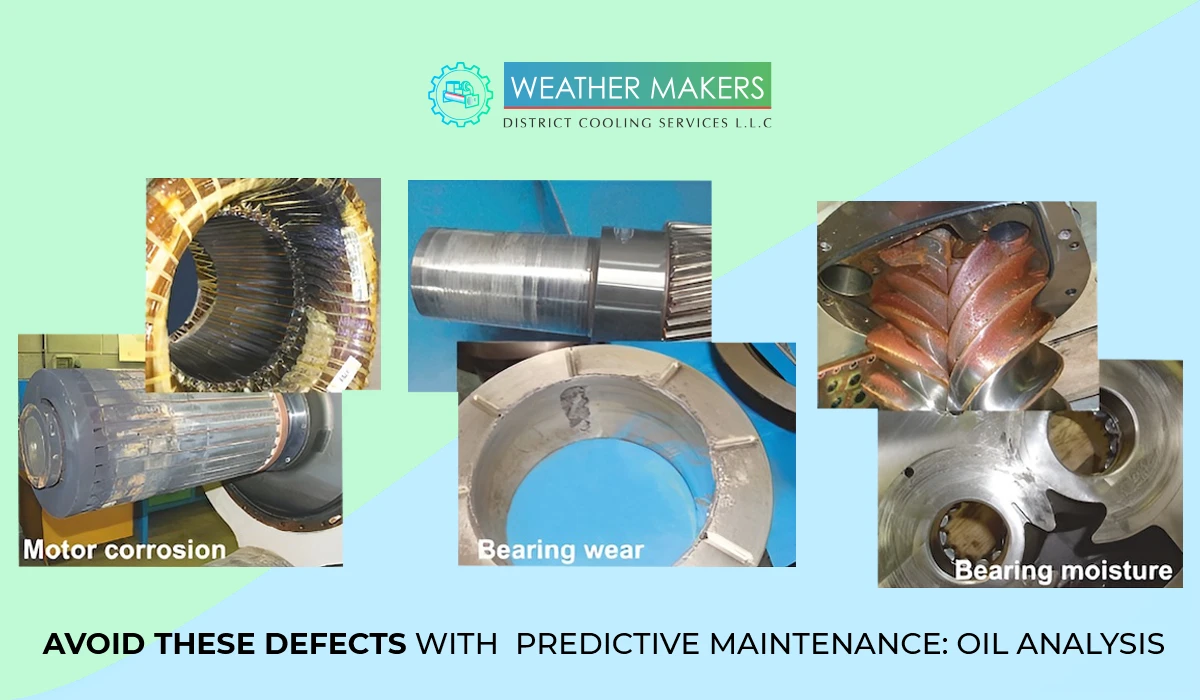
- Consequences – Chemical problems can corrode motor windings and possibly burn out the compressor motor.
2. Solid Particles in Oil
Even the smallest solid particles can create significant wear on internal components, such as bearings, leading to rapid deterioration and shortening the compressors’ life expectancy.
3. Moisture Contamination
Moisture in oil is infamous for shortening the life of bearings and increasing corrosion risk. The moisture can enter the system through:
- Moisture contaminated refrigerant
- Poor vacuuming practices
- The leak of water or air into the system.
- Breakdown of additives
The Cost of Ignoring Ongoing Oil Analysis
Neglecting oil analysis can have immediate and future costs:
- Short term – Compressor damage or failure, downtime, expensive repair costs, and discomfort in your building or industrial processes.
- Long term – Your HVAC equipment is operating at a lower lifespan and a higher total cost of ownership.
When compressor oil quality begins to deteriorate , the risk of premature wear and damage increases drastically. This is why oil analysis should be included in any predictive maintenance plans as an industry standard.
What Is Typically Included in an Oil Analysis Report
An oil analysis report from a competent service will look at two key factors – the oil characteristics and the level of compressor wear. The analysis will often include:
Wear Testing
- Spectrometric analysis – tells you how much wear there is in the system.
- Total number of particles – measured in ppm (parts per million).
- Determine the type of particles– are they coming from additives, wear, or arbitrary contamination?
Chemical Testing
- Total Acid Number (TAN) – which gives you an acid level.
- Viscosity – looking for oil that is either too fluid or too viscous for proper operation.
Contamination Testing & Moisture Detection
- Karl Fischer test – gives water content information.
- Moisture readings can give the analysis valuable clues about contamination and its overall effect on the system.
From these findings, the report can recommend more tests, such as vibration analysis for an effective predictive maintenance.
Finding a Good Oil Analysis Provider
There are many different oil testing services out there. An oil analysis provider should not just provide services with basic testing. Look for services that also provide:
- Compressor vibration analysis – for discovering imbalances or mechanical problems that may exist.
- Heat exchanger tube tests – to ensure heat transfer remains efficient.
- Full preventive and predictive maintenance packages – for the sake of performing complete HVAC care.
Your provider should be careful about the overall HVAC system so that they can offer valuable insights and recommend more valuable dedicated and scheduled maintenance.
How to Conduct an Oil Analysis
Performing an oil analysis is easy:
- Obtain an oil sample from the system using proper procedures.
- Send the oil sample to a professional laboratory for testing.
- Look over the detailed report, which will describe any problems and offer corrective action recommendations.
Testing reports typically will be available in a week; however, the testing timeframe can be reduced for expedited testing, if necessary.
How Often Should Oil Analysis be Performed?
For the best results, oil analysis should be conducted on an ongoing basis, i.e., annual testing for each refrigerant circuit is a normal recommendation. There are many benefits to ongoing oil analysis, including:
- The time for detecting a failure is shorter
- The time for maintenance/repair costs is less
- The ability to schedule repairs during off-peak hours
- The longer oil change periods lessen environmental issues.
Ongoing testing as a part of a predictive maintenance strategy helps to reduce unwanted breakdowns and promote the longer life of your equipment.
Benefits of Maintaining High-Quality Oil
The benefits of maintaining consistently high-quality lubricating oil include:
- The longest lifespan of your compressor(s)
- Improved run-time of your system
- Reliable building occupants’ comfort and stabilized process temperatures
- Lowest operating costs
- Flexibility to schedule maintenance tasks.
Facility managers can minimize costly emergency repairs while maintaining organized, not disheveled operations by maintaining a clean and proper lubricating oil specification for the compressors.
Predictive Maintenance and Oil Analysis
Oil analysis is one of the best available predictive maintenance methods. It is an early warning system for your HVAC equipment. Instead of responding to failures, you can avoid failures altogether by identifying small issues before they become big problems.
Oil analysis is an effective predictive maintenance method when used along with other predictive maintenance methods (scale, vibration, monitoring performance, etc.) to create a formidable defense against unexpected breakdowns.
Environmental and Cost Benefits
The reduction of unnecessary oil changes reduces costs and helps the environment. Once you eliminate unnecessary oil changes, you reduce waste oil disposal and the amount of resources wasted.
By using oil analysis during your HVAC system inspection process, you save money, save the environment, and ensure your HVAC equipment is performing optimally.
Conclusion
An HVAC check-up is not simply a brief inspection; it is a total health check for your system. Oil analysis is a significant part of this process in order to identify chemical, mechanical, and contamination issues early. It adds protection to compressor oil and extends equipment life, and it complements a solid predictive maintenance plan.
Incorporating oil analysis in the overall HVAC care plan can provide maximum efficiency, reliability, and savings, all while maintaining building comfort year-round.
Frequently Asked Questions
How often should an HVAC check-up with oil analysis take place?
We recommend at least once a year per refrigerant circuit, to ensure problems can be identified early and systems are performing efficiently.
What is the main benefit of oil analysis in HVAC systems?
It prevents costly equipment breakdowns by identifying issues before they cause irreversible damage, preventing costly breakdowns, and replacing equipment earlier than necessary.
Why is the quality of compressor oil very important?
Quality compressor oil aids in proper lubrication and in reducing wear to ensure optimal longevity of operating components.