
Chiller maintenance plays a major role in keeping cooling systems efficient, reliable, and long-lasting. Whether your business uses an Air cooled chiller, water cooled chiller, or another type of system, proper care is critical. Among the best ways to avoid expensive breakdowns and keep your system running smoothly is through preventive chiller maintenance.
What Is Preventive Chiller Maintenance?
Preventive chiller service involves regularly checking and servicing your chiller system before anything goes wrong. It involves maintaining records in detail, conducting regular inspections, and ensuring that the system operates safely and efficiently.
Regardless of the size or type of your system, chiller service prevents serious problems that result in expensive repair or downtime.
Some of the key checks involved in preventative maintenance are:
- Checking refrigerant levels
- Oil and water quality testing
- Fans and motors checking
- Checking electrical panel , cleaning and inspection
- Checking temperature and pressure readings
- Checking water flow
- Lube oil pressure and temperature
- Condenser and Evaporator approach
- Pre-planning repairs to prevent equipment breakdown
These are typically performed by a certified skilled refrigeration technician who will examine your system to ensure that it is serviced correctly and safely.
Preventive Chiller System Maintenance Importance
Enhanced Efficiency and Performance
Systems can degrade over time due to dirty condenser coils, refrigerant leaks, or old parts. This causes increased energy consumption and system stress.
With routine chiller service, your system:
- Uses energy more efficiently
- Operates at rated pressure and temperature
- Prevents unnecessary wear and tear
- Saves cost of operation
How to maintain your system efficiently:
- Adhere to the manufacturer’s guide in maintaining the system
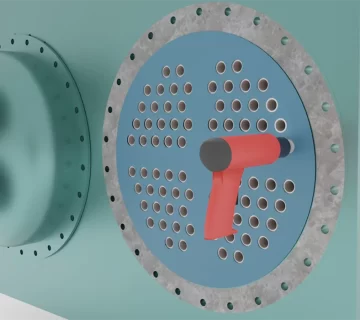
- Service the coils / condenser tubes using certified cleaning chemicals
- Check temperature, pressure, and flow rate often
- Schedule regular inspection in advance
- Check efficiency
- Maintain a full maintenance record
Longer System Life
Metal particles in lube oil indicates wear which can cause premature chiller failure if not addressed. Preventing these troubles in their infancy is achieved through regular checks and maintenance.
To ensure your system lasts longer:
- Keep an open maintenance record
- Routine checks on a regular schedule
- Regular inspection by a qualified technician
A well maintained system prevents expensive replacements and saves cost.
Improved Safety and System Reliability
Abandoned systems can lead to refrigerant leakage, electrical breakdowns, or overheating, which compromises workers and equipment.
By putting preventive chiller service on the top of your agenda, you:
- Minimize equipment breakdowns
- Minimize chances of workplace accidents
- Ensure safe temperature and pressure levels
- Provide reliable system operation
This is particularly critical where even temporary downtime is life-or-death.
Environmental Protection
High-efficiency chiller systems consume less energy and release fewer pollutants. Which translates into chiller service not only being an economic choice, but an environmental one as well. In other words proper chiller maintenance can greatly contribute to reduction of Direct & Indirect Global warming.
System maintenance benefits:
- Reduces energy consumption
- Decreases greenhouse gas emissions
- Avoids use of toxic refrigerants
- Ensures more environmentally friendly business practices
Scale and Corrosion Prevention
Water in chillers typically contains minerals such as calcium, magnesium, and sulfates. When these minerals accumulate, scaling occurs, which corrodes internal components and reduces system efficiency.
Maintenance assists with:
- Prevention of early scaling detection
- Removal of scale and deposits
- Inhibition of long-term corrosion
- Increased life of major components
Chiller service Helps Spot Problems Early
One of the greatest benefits of chiller preventive maintenance is the early identification of small problems. A good technician can identify early warning signs of stress on the system before major damage occurs.
As an illustration, when the operator sees greater power bills. On the surface level, everything appears normal, but a technician discovers that the refrigerant was overcharged. This increased pressure on the compressor, which compromised the entire system. The technician addresses this situation prior to the compressor being damaged, which saves time and money.
Recurring issues that can be identified earlier:
- Refrigerant leak
- Low levels of refrigerant
- Compressor malfunction
- Sensor or gauge failure
- Condenser tubes fouling(scaling)
- Overheating
- Low system pressure
- Corrosion and scaling deposit
Fixing these problems early saves your equipment and prevents surprise failure.
How Frequently Should Chiller Maintenance Be Done?
The general rule is to service the chiller at least twice yearly. If your system runs year-round (not just summer), quarterly maintenance service is more recommended.
Why frequency matters:
- Keeps the system functioning properly
- Allows early detection of problems
- Extends equipment life
- Prevents unplanned downtime
Professional chiller services should be comprised of:
- Condition reports
- Oil analysis and water sample analysis
- Troubleshooting
- Commissioning assistance for systems
- Coil inspections
- Electrical checks
- Refrigerant level tests
- Assistance to design a custom maintenance plan
Sample Chiller Maintenance Services Checklist
In between professional checks, it is a good practice to maintain a maintenance checklist. Some newer equipment has control panels with functions that monitor this information, but a paper log is helpful as well.
This is what your checklist should contain:
- Condensation pressure and temperature
- Evaporation pressure and temperature
- Inlet and outlet water temp
- Water flow rate
- Refrigerant levels
- Lube Oil pressure, temp
- Power supply readings
- Superheat and subcool readings
- General operating parameters (pressures, fluid levels, etc.)
Maintaining these records ensures nothing gets left behind and quickly identifies problems in the future during maintenance.
Conclusion
If your operation depends on an air conditioning system, regular chiller upkeep is not a choice—it’s mandatory. Preventive chiller maintenance not only increases your system’s efficiency and safety but prolongs its life and halts expensive repairs.
By maintaining a normal maintenance routine of service, monitoring the well-being of your system, and acting quickly to spot impending problems, you have your chiller system in prime condition—saving energy, cost, and headaches down the road.
Frequently Asked Questions
What is preventive chiller maintenance?
Preventive maintenance of chillers involves periodic inspection, cleaning, and servicing of chiller systems to prevent them from failing and ensure they operate at their best.
How often should chiller service be scheduled?
At least every six months, or every three months if your system is in operation continuously.
What are the risks of skipping preventive maintenance?
Skipping it can cause you to incur high utility bills, unexpected failures, and expensive repairs.
Can preventive chiller service reduce energy usage?
Yes, a properly maintained system uses less energy and runs more efficiently.
Who should perform preventive chiller maintenance?
A properly trained refrigeration technician familiar with the chiller systems should conduct all professional service.