
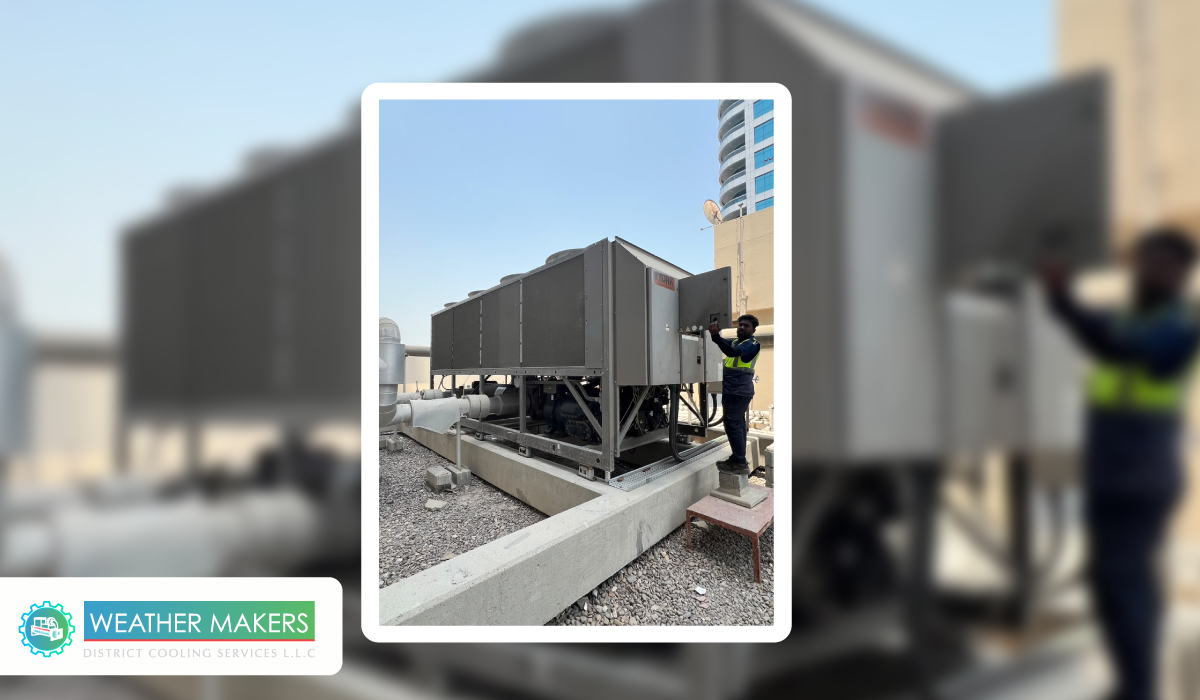
Emergency chiller repair becomes important when a chiller suddenly stops working in a critical facility. A cooling failure can affect equipment, working conditions, temperature-sensitive areas, and normal operations. In some facilities, cooling needs to remain available around the clock. Even a short interruption can create serious problems.
The best time to prepare for a chiller failure is before it happens. Facility teams should know what to check, who to contact, and how to protect important areas while the system is being restored. A clear plan makes the situation easier to manage and helps the repair team start work with the right information.
Why Critical Facilities Need an Emergency Plan
A chiller can stop for many different reasons. Electrical problems, compressor faults, water flow issues, control failures, refrigerant problems, and worn components can all affect operation. Sometimes the cause is clear from the first alarm. At other times, the alarm only shows that further investigation is needed.
A good chiller emergency response should cover the entire situation. It should not focus only on getting the chiller running again. The facility team should know how to identify the affected equipment, protect important areas, contact the right people, and record what happened.
A basic emergency plan should include:
- The person responsible for receiving the alarm.
- Emergency contact details for the service team.
- Locations of important isolation points.
- Available backup cooling arrangements.
- Areas that need immediate temperature protection.
- Communication procedures during the failure.
- A method for recording the repair and follow-up work.
These details should be easy to access. During a breakdown, staff should not waste time looking through different documents to find a phone number or equipment record.
When Emergency Chiller Repair Is Needed
Not every chiller alarm requires the same response. Some alarms can be investigated during normal working hours. Others need immediate attention because they affect cooling capacity or create a safety concern.
Emergency chiller repair in Dubai may be required when a critical cooling system stops unexpectedly, and normal operation cannot be restored through standard operating procedures. The first step should always be to understand the alarm and assess the condition of the equipment.
A professional technician should be contacted when there is a serious shutdown, repeated compressor trip, suspected refrigerant leak, major water leak, electrical fault, or sudden loss of cooling.
Facility staff should avoid attempting complex repairs without the right training. Refrigeration systems and electrical equipment can create serious safety risks when handled incorrectly.
Start With a Clear Failure Response
The first few minutes after a chiller stops can provide useful information. Staff should check the control panel and record any active alarms. Recent temperature and pressure readings should also be noted if they are available.
The team should then determine whether the problem affects one chiller or a larger part of the cooling system. This helps the facility understand the immediate impact and decide what action is needed.
During a chiller failure response, safety must come before fixing problems. Workers do not open power control panels, handle refrigerants, or work on mechanical components unless they are skilled and authorized to do so.
Once the device is safe to work on, the technician can start checking the issue. The aim must be to find the real reason rather than replace parts based only on the alarm message.
A simple response sequence can help:
- Record the alarm and time of failure.
- Identify the affected equipment.
- Check available operating information.
- Protect critical areas where possible.
- Isolate unsafe equipment.
- Contact qualified technical support.
- Identify the cause of the fault.
- Complete the required repair.
- Test the system.
- Record the final findings.
A clear pattern helps everyone know what needs to happen next.
Prepare Before a Chiller Breakdown
Emergency planning should not begin after the first major failure. It should be part of normal facility planning.
Technical information should be kept where authorised staff can find it quickly. This may include equipment model numbers, service records, control information, refrigerant details, electrical information, and previous fault reports.
A proper chiller breakdown response should also consider how the facility will manage if the main chiller remains unavailable for several hours. Depending on the site, this may involve standby equipment, temporary cooling, alternative cooling circuits, or reducing non-critical cooling loads.
Spare parts can also affect recovery time. The facility does not need to keep every possible component on site. But important parts with long supply times need to be identified in future.
Important contact information must also be reviewed continuously. A response plan is useful only when the people listed in it can be reached.
How Regular Maintenance Helps
Urgent preparation works better when the facility has a clear maintenance history. Continuous checks can show changes in equipment condition before it becomes a major problem.
The best chiller system maintenance includes checks on compressors, pumps, controls, electrical connections, water circuits, heat transfer surfaces, and safety equipment. The correct maintenance work must fit the equipment and its conditions of operation.
Maintenance records are also useful during an emergency. A technician can check previous alarms, repairs, and unexpected readings before starting the check. This can save time and remove the need to troubleshoot the same issue again. Regular maintenance cannot prevent every failure. Unexpected problems can still occur. However, it can make the condition of the equipment easier to understand and help identify problems at an earlier stage.
For critical facilities, these records should be kept current. Old or incomplete knowledge can make urgent diagnosis harder.
Keep a Practical Maintenance Checklist
A simple checklist gives the maintenance team a steady way to monitor the machines. It also makes it easier to observe changes from one check to the next.
A useful chiller maintenance checklist can include:
- Control panel and alarm status.
- Supply and return water temperatures.
- Water flow and pressure.
- Pump operating condition.
- Compressor performance.
- Electrical connections.
- Refrigerant system condition.
- Signs of leakage.
- Unusual noise or vibration.
- Heat transfer surface condition.
- Safety device condition.
- Previous fault history.
The checklist should allow technicians to add observations. A simple pass or fail result does not always tell the complete story.
For example, a small change in temperature may not cause an urgent issue. If the same change happens again and again, it may deserve a checking more carefully. Written notes make these patterns easier to identify.
The checklist should also be updated when equipment, controls, or operating conditions change.
Choose Technical Support Before an Emergency
Finding a service provider during a major breakdown can add unnecessary pressure. Facility managers should identify suitable technical support before a serious failure occurs.
Searching for chiller services near me during an emergency may not give enough time to compare experience, equipment knowledge, and response arrangements. Having suitable contacts ready makes the process much easier.
The service team should understand the type of chiller installed at the facility. A single failure may involve electrical controls, refrigeration, mechanical components, pumps, or water flow.
Before an issue, facility managers must confirm:
- Emergency contact details.
- Technician availability.
- Supported equipment types.
- Diagnostic capabilities.
- Spare parts arrangements.
- Safety procedures.
- Service reporting.
- Follow-up maintenance options.
This information helps the facility know what support is available before a failure happens.
When Professional Chiller Repair Is Required
Some problems should not be treated as simple restart issues. An expert technician must analyze the equipment when an important or repeated issue occurs.
Professional help may be needed when:
- The chiller shuts down without warning.
- A major alarm remains active.
- Cooling capacity drops suddenly.
- The compressor trips repeatedly.
- Refrigerant leakage is suspected.
- Water leakage is visible.
- Electrical components show signs of damage.
- Strong vibration or unusual noise develops.
- Critical areas begin reaching unsuitable temperatures.
When looking for chiller repair near me, response time is important, but technical experience also matters. A complex fault may require specialist tools and detailed testing.
Repeatedly restarting a failed chiller is not a reliable solution. If the operating procedure does not specifically permit a restart, the equipment should be left for qualified personnel to inspect.
After the repair, the system should be tested carefully. The chiller should return to normal operation only after the required checks have been completed.
Learn From Every Chiller Failure
A repair should not be considered the end of the incident. Once the cooling system is operating again, the facility team should review what happened.
Good chiller plant maintenance also involves learning from previous failures. A post-failure review can reveal recurring faults, maintenance gaps, component problems, or operating conditions that need attention.
The facility should record:
- Date and time of the failure.
- Affected equipment.
- Alarm or fault information.
- Identified cause.
- Parts repaired or replaced.
- Total downtime.
- Temporary measures used.
- Final testing results.
- Recommended follow-up work.
This information can be useful during future inspections. It can also show whether a problem was isolated or has occurred many times.
If the same component or device keeps failing, replacing it again may not solve the underlying problem. The facility should investigate why the failure keeps happening.
Build a Strong Emergency Cooling Strategy
An emergency plan should connect maintenance, technical support, communication, and backup arrangements. These areas should work together instead of being handled separately.
Facility managers should review the response plan regularly. Contact details should remain current. Equipment records should be updated after major repairs or modifications. Backup cooling arrangements should also be checked from time to time.
Planned chiller maintenance Dubai services can help facilities keep equipment records organised and identify developing concerns. The maintenance programme should still be based on the equipment or device, operating states, recommendations of the manufacturer, and facility needs.
Staff should also understand their individual responsibilities. They should know who contacts the service team, who can isolate equipment, and when an issue needs to be escalated.
The purpose of emergency planning is not to predict every possible failure. It is to make sure the facility has a practical way to respond when something goes wrong.
Work With an Experienced Service Provider
The service provider is an important part of any emergency plan. Critical facilities need technical support that understands the importance of cooling continuity and safe equipment operation.
An experienced HVAC maintenance company in Dubai can support planned maintenance as well as emergency requirements. Before choosing a service arrangement, facility managers should understand the emergency contact process, service coverage, reporting procedure, and available technical support.
Clear communication also matters during a failure. Facility managers need straightforward information about the fault, repair requirements, parts, and current system condition.
Conclusion
Emergency chiller repair is only one part of an effective response plan. Major facilities also need a clear process, accurate records, trained staff, reliable technical support, and suitable backup arrangements.
Regular checking can help to know developing issues before they become major problems. Well-prepared response ideas can also reduce confusion during an unexpected shutdown.
Every failure provides useful information. Recording the cause, repair work, downtime, and follow-up actions can help the facility prepare better for future problems.
The goal is straightforward. Identify the problem quickly, protect critical operations, repair the equipment safely, and restore reliable cooling with as little disruption as possible.
Need Emergency Chiller Support?
Weather Makers District Cooling Services LLC provides professional support for critical cooling requirements.
Frequently Asked Questions
What is emergency chiller repair?
It is the urgent diagnosis and repair of a chiller after an unexpected failure. It helps restore cooling and reduce operational disruption.
How can a facility prepare for a chiller failure?
Keep emergency contacts, equipment records, maintenance information, and backup cooling procedures ready. Staff should also understand their responsibilities during an outage.
Why is regular chiller maintenance important?
Regular maintenance helps identify developing equipment problems and keeps important components operating properly. It also provides useful records when an unexpected failure occurs.


No comment