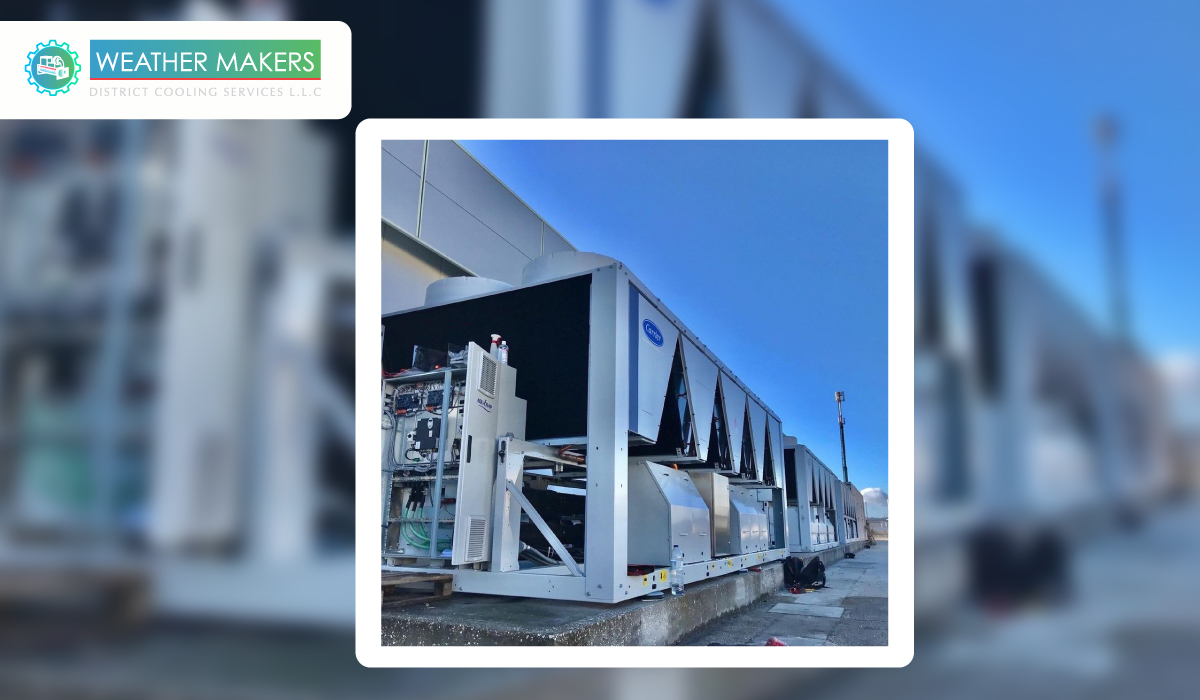
Chiller shutdown repair becomes important when a cooling system stops operating without warning. An unexpected shutdown can affect indoor temperatures, interrupt daily operations, and place additional pressure on other cooling equipment. It can also create problems for buildings that depend on a continuous chilled water supply.
A chiller usually stops because one of its operating conditions has moved outside the permitted range. Its control system monitors pressure, temperature, water flow, electrical supply, and other important readings. When it detects an unsafe condition, it may stop the compressor or shut down the complete unit. This protects the equipment from further damage.
Understanding the reason behind the shutdown is important before attempting to restart the machine. A proper inspection helps technicians identify the actual fault and select the correct repair method.
Why Does a Chiller Shut Down Unexpectedly?
A chiller works through several connected mechanical, electrical, and refrigeration components. Each component has a specific role in maintaining the required cooling output. A problem in one area can affect the performance of the complete system.
For example, insufficient water flow can cause abnormal temperature readings. Similarly, poor heat transfer can increase condenser pressure and place extra load on the compressor. The control system may respond by stopping the machine.
The control panel is usually the first place technicians check. It may display an alarm code, warning message, or operating condition that caused the shutdown. However, an alarm does not always identify the actual faulty component. Further testing is necessary to confirm the cause.
Main Reasons Behind an Unexpected Chiller Shutdown
Several technical conditions can interrupt normal chiller operation. Some develop gradually, while others can cause an immediate shutdown.
1. High or Low Refrigerant Pressure
The refrigerant pressure should be kept within the limits prescribed for the equipment. If the pressure becomes too high or too low, the chiller can start its control mechanisms.
High pressure could be caused by the condenser’s inability to reject heat efficiently. Low pressure could show refrigerant leakage or other problems in the refrigeration system.
Technicians should measure the pressure readings, examine the components of the refrigeration system, and compare their findings with the manufacturer’s requirements. Simply adding refrigerant without discovering a probable cause will not be effective.
2. Insufficient Water Flow
Water circulation is needed to ensure efficient heat exchange. If the necessary water flow is insufficient, the chiller may operate at abnormal temperatures, leading to a shutdown. Common reasons for restricted circulation include:
- Blocked strainers or water filters.
- Poor pump performance.
- Closed or partially closed valves.
- Air trapped inside the water circuit.
- Damaged flow switches.
- Incorrect water pressure.
Technicians should inspect the pumps, valves, strainers, and related components. They should also confirm that the actual flow rate meets the equipment requirements.
3. Compressor Overheating
The compressor is perhaps the most vital component of a chiller because it ensures the circulation of refrigerant in the machine and the cooling process itself. Overheating can influence the performance of the compressor, which means that protective mechanisms will trigger.
Compressor overheating can be caused by insufficient lubrication, high-pressure conditions, electrical issues, or inadequate cooling. Unusual sounds, vibrations, and frequent temperature alerts may also indicate a problem.
A compressor cannot be turned on and off constantly after a temperature overload trip. First of all, one should find out what caused the rise of the temperature.
4. Electrical Supply and Control Problems
Electrical issues could disrupt the functioning of compressors, pumps, fans, and control panels. Issues such as voltage unbalance, poor connections, damaged wire, or a faulty contactor could make protective devices act up.
The sensors used for control could also disrupt the functioning of the chiller. A defective sensor could send incorrect temperature or pressure readings to the controller.
Electrical inspection should be left in the hands of competent technicians. The safety devices should always be functional, and it is important that one does not tamper with the protection settings.
5. Condenser and Cooling Tower Problems
The role of the condenser is to reject heat from the refrigeration system. When the heat rejection process is not efficient, the pressure and temperature in the condenser may rise, and the unit will eventually shut down.
Some of the probable causes of such an event include clogged condenser tubes, inefficient cooling water flow, faulty cooling tower fans, and inappropriate cooling water temperatures. The condenser and the cooling tower should be examined together as both influence heat rejection.
Warning Signs That May Appear Before Shutdown
Not every shutdown happens without an earlier warning. A chiller may show small changes in performance before a major fault develops.
Facility teams should monitor the equipment for the following signs:
- Frequent starting and stopping.
- Unusual compressor noise or vibration.
- Changes in chilled water temperature.
- Repeated pressure or temperature alarms.
- Reduced cooling output.
- Irregular pump or fan operation.
- Higher electrical consumption than normal.
Though these symptoms do not necessarily point to any one malfunction, they can help the technician to learn how the machine worked before it broke down. Identifying common chiller faults early gives facility teams a better opportunity to arrange suitable repairs before the equipment experiences a complete shutdown.
How Technicians Find the Actual Cause
The shutdown alarm provides valuable information, but it cannot be used as a conclusive diagnosis. Technicians must inspect the machinery and review its service history before determining which parts need maintenance. A detailed inspection generally includes the following steps:
1. Review the alarm history
Technicians check the control panel for active alarms, previous shutdowns, and recorded fault messages. The time and sequence of alarms can help identify what happened before the machine stopped.
2. Check operating readings
Pressure, temperature, current, and water flow readings are reviewed. These values help technicians understand whether the equipment was operating within its specified limits.
3. Inspect mechanical components
Pumps, valves, motors, compressors, and other important components are checked for visible damage, leakage, unusual noise, and irregular movement.
4. Test electrical and control systems
Technicians inspect wiring, sensors, contactors, and protective devices. They use suitable testing equipment to identify electrical or control-related faults.
5. Confirm the root cause
The inspection results are compared with the equipment specifications and manufacturer recommendations. This helps technicians decide which repairs are necessary. Facility managers can seek support from an experienced HVAC maintenance company in Dubai for detailed equipment inspections. The professional team can examine the entire cooling system, identify technical problems, and recommend appropriate corrective measures.
This diagnosis is necessary because replacing parts without confirming the fault may increase repair costs.
What Happens During Chiller Shutdown Repair?
The type of fix will depend on what was found in the inspection process. Problems with pressure will be fixed with regard to the refrigeration system, while problems with water flow will require work on pumps and valves. Professional repair work may involve:
- Repairing or replacing damaged electrical components.
- Correcting water circulation problems.
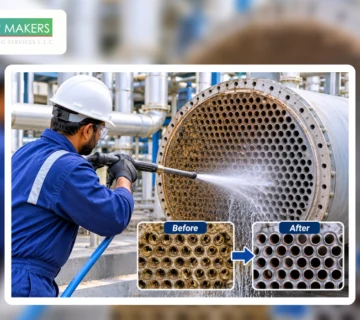
- Cleaning condenser or evaporator surfaces.
- Locating and repairing refrigerant leaks.
- Inspecting compressor condition.
- Replacing faulty sensors or control devices.
- Correcting condenser performance issues.
For an urgent situation, emergency chiller repair may be necessary when a sudden loss of cooling affects normal building operations. The technician should first make the equipment safe, identify the cause, and then complete the required corrective work.
When a sudden shutdown interrupts cooling operations, emergency chiller repair in Dubai can help restore the system. Prompt technical attention can reduce downtime and prevent further equipment damage.
Why Repeatedly Resetting a Chiller Can Be Risky
Resetting the chiller may help in solving an alarm, but it will not solve the root cause of the problem. The machine will be prone to stopping again if the problem that caused it still exists.
Multiple resets may place additional stress on electrical and mechanical components and make it harder to interpret events recorded in the control system. Operators should adhere to the instruction manual for such machines and should refrain from making multiple reset attempts.
How Planned Maintenance Reduces Shutdown Risks
Chiller maintenance service involves regularly checking equipment conditions and identifying emerging issues. Also, this is how one gets valuable information regarding the changes in pressure, temperature, flow of water, and electricity.
It is important that maintenance services meet the requirements of chiller types, operation duration, and manufacturer recommendations.
Important inspection activities include:
- Checking compressor operation and temperature.
- Inspecting pumps, valves, and water flow.
- Reviewing electrical connections and control settings.
- Checking the refrigeration circuit for leakage.
- Inspecting condenser and evaporator surfaces.
- Testing safety devices and alarm functions.
- Recording operating readings and repair history.
A consistent maintenance schedule helps facility teams understand the condition of their equipment. It also makes it easier to recognise recurring faults and plan corrective work.
An experienced chiller maintenance company in Dubai can help facility managers organise regular inspections and monitor equipment performance. Proper maintenance records also help technicians compare current readings with previous results.
When to Contact a Professional Repair Team
Some shutdowns need immediate technical intervention. This becomes more crucial when the equipment is used in places where constant cooling is needed.
When it comes to breakdowns that require immediate technical attention, it is necessary to examine the equipment in order to see which of the following systems has broken down: refrigeration system, electrical system, compressor, or water flow system.
A professional chiller repair Dubai service should include a complete inspection after the repair. Technicians should check the operating readings and confirm that the original fault has been resolved before restarting the equipment.
Final Checks Before Restarting the Chiller
Repair work cannot be considered complete simply because the alarm signal disappears. The machine needs to be checked for proper operation before returning to regular operation.
Technicians need to verify that the original problem has been resolved. They should check pressure, temperature, water flow, electrical readings, and the operation of safety controls.
Conclusion
The unexpected shutdown of a chiller may be caused by either high or low pressure of the refrigerant, limited water supply, overheating of the compressor, electrical issues, and problems with the condenser. All these issues require proper inspection to identify the cause and determine the appropriate repair. Timely chiller shutdown repair helps restore cooling, protect important components, and reduce the risk of repeated interruptions.
Weathermakers District Cooling Services LLC provides professional chiller repair and maintenance support for commercial and industrial cooling systems.
Frequently Asked Questions
Why does a chiller shut down suddenly?
A chiller may stop because of high pressure, low water flow, compressor overheating, electrical faults, or sensor problems. Its safety controls stop operation when they detect an unsafe condition.
Can I restart a chiller after an unexpected shutdown?
You should not restart it repeatedly without checking the cause of the shutdown. A qualified technician should inspect the alarm and confirm that the equipment is safe to operate.
When is chiller shutdown repair required?
Chiller shutdown repair is required when a chiller stops unexpectedly and needs professional diagnosis. Prompt inspection can help prevent further damage and restore normal cooling.

[…] suitable chiller retrofit in Dubai may also help older systems benefit from improved controls and updated operating technology. The […]