
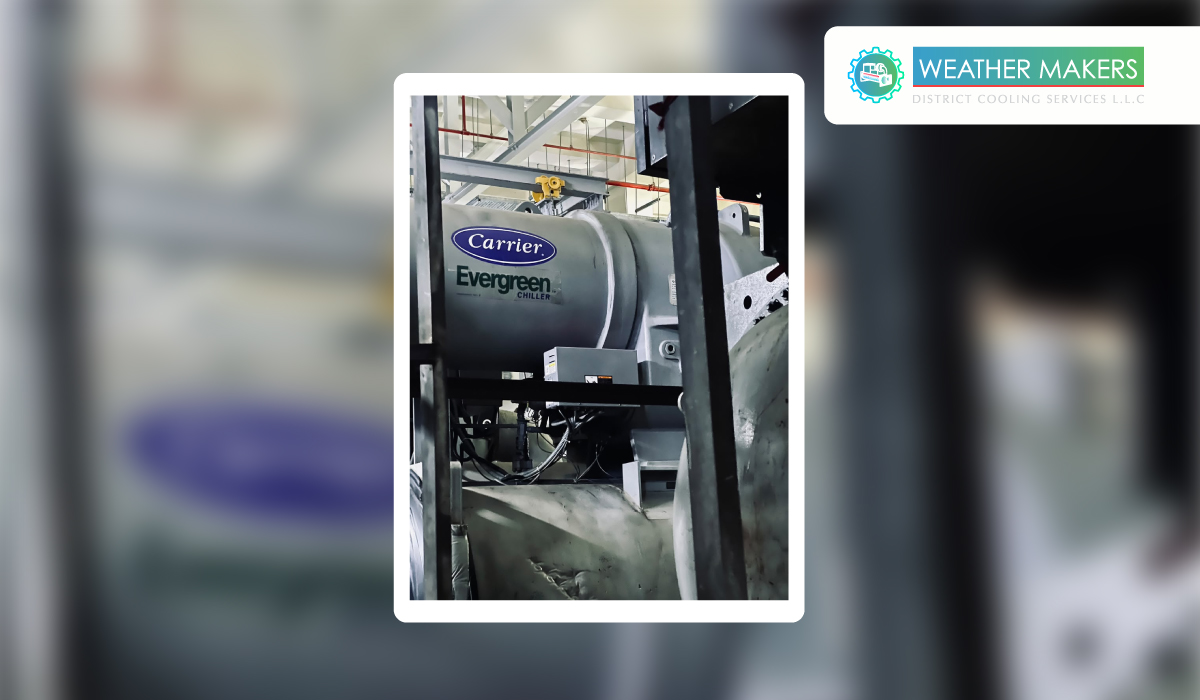
Commercial chiller service helps businesses maintain reliable cooling, improve equipment performance, and reduce the risk of unexpected breakdowns.
Commercial buildings depend on stable indoor temperatures to support employees, customers, equipment, and daily operations. A chiller that performs poorly can affect comfort, increase energy consumption, and disrupt business activities. Regular servicing helps facility managers identify developing problems before they become serious. It also supports better equipment performance and more predictable maintenance costs.
A planned service schedule gives businesses greater control over their cooling systems. Instead of waiting for faults to appear, building managers can arrange inspections, review operating conditions, and address concerns early. This approach helps protect equipment and maintain a comfortable working environment throughout the year.
Why Commercial Chiller Service Matters for Building Operations
Chillers operate under changing cooling loads. Their performance depends on several connected components, including compressors, heat exchangers, pumps, sensors, and control systems. A problem in one component can affect the entire cooling process. Regular inspections help technicians assess these components and identify signs of wear.
A professional service visit also provides useful information about the system’s current condition. Technicians can compare operating readings, inspect important parts, and recommend corrective action where necessary. This information helps facility managers plan repairs instead of responding to every problem as an emergency.
Businesses that arrange commercial chiller maintenance Dubai can also benefit from a structured approach to equipment care. The service schedule should reflect the manufacturer’s recommendations, operating hours, cooling demand, and condition of the equipment.
Key Benefits of Regular Chiller Servicing
Routine servicing offers more than basic equipment checks. It helps businesses manage operational risks and make informed decisions about their cooling infrastructure.
1. Improved Cooling Performance
A chiller must remove heat effectively to maintain the required water temperature. Dirty heat-transfer surfaces, restricted water flow, incorrect sensor readings, and worn components can affect this process. Technicians inspect these areas to identify conditions that may reduce cooling output.
Regular inspections help maintain consistent performance during periods of high demand. They also help building managers investigate temperature fluctuations before occupants experience significant discomfort.
2. Better Control of Operating Costs
Faulty machines may use additional electricity to provide the necessary cooling. Blockage in heat exchangers, improper settings, and wear in machinery may add to the load on the equipment. Timely intervention can lead to avoidance of unnecessary expenses.
Maintenance logs will help management identify recurring problems, plan future expenses, compare service charges, and determine which machines require servicing.
3. Longer Equipment Life
Chillers are major investments for businesses and organisations. The replacement of any of the parts requires substantial time and money. Regular inspections can identify early signs of wear and help prevent further damage. Proper maintenance will provide better lubrication, clean surfaces for efficient heat exchange, and proper operation of the control system. This will help to minimize unnecessary pressure on critical components.
4. Fewer Unexpected Interruptions
An abrupt chiller breakdown can disrupt office processes, disturb tenants’ comfort, or interfere with temperature-controlled activities. Frequent inspection is helpful in recognizing warning signals that include vibrations, irregular temperatures, and continuous alarm sounds.
Maintenance cannot prevent all failures, but it helps reduce unnecessary risks. It also gives businesses time to schedule repairs around other activities.
Essential Tasks During Routine Chiller Servicing
It is imperative that maintenance procedures involve not just the main cooling unit but all parts of the whole cooling system. This will depend on the type of equipment, operating conditions, and the manufacturer’s requirements.
A practical chiller maintenance checklist may include the following activities:
- Inspect compressors, motors, electrical connections, and control panels for signs of wear or damage.
- Check refrigerant conditions and investigate any suspected leaks using appropriate procedures.
- Examine condenser and evaporator surfaces for dirt, scale, and other deposits that may affect heat transfer.
- Check water flow, pump operation, pressure readings, and relevant temperature measurements.
- Review alarms, sensors, safety controls, and operating settings.
- Record performance readings and document any issues that require further attention.
Technicians must perform each step in accordance with the requirements and guidelines of the manufacturer of the equipment and any safety considerations. It is important to note down the results and specify which problems need to be addressed immediately.
How Maintenance Supports Chiller Energy Efficiency
Energy use is an important consideration for commercial buildings with substantial cooling requirements. A chiller may continue operating even when its performance has declined. This can make problems difficult to notice without reviewing operating data.
Good chiller energy efficiency depends on the relationship between cooling demand, equipment condition, water flow, and control settings. Technicians can assess these factors to identify unnecessary energy use and recommend suitable adjustments.
For instance, dirty heat exchanger surfaces can lower the rate at which heat is transferred within the system. Incorrect temperature settings can make the equipment work harder. It can help to increase efficiency, but the exact savings will depend on the state and operation of the system.
The facility managers should look at the energy use as well as the cooling capacity of the systems. The comparison of both factors over time will give an indication of what needs more scrutiny. The cause will be identified by a competent technician.
Special Considerations for Water-Cooled Chillers
Water-cooled systems need care of the chiller and its water circuit. The quality of condenser water, cooling towers, circulation, and heat transfer have an effect on the general operations.
Proper water cooled chiller maintenance should include the examination of scale, corrosion, fouling, and restriction of flow if necessary. These factors decrease heat transfer and increase load on the equipment. It is essential to conduct water treatment according to the requirements of the system and the advice of experts.
Cooling towers, pumps, strainers, and connecting pipelines need adequate inspection too. The treatment of these elements as parts of one single system assists technicians in detecting problems that cannot be seen when inspecting the chiller alone.
Using Predictive Maintenance to Identify Problems Early
Traditional maintenance schedules rely on planned inspections and servicing intervals. Predictive chiller maintenance adds another layer by using equipment data and condition assessments to identify developing faults.
The following approaches may be considered as part of an appropriate predictive maintenance program for the chiller: vibration analysis, temperature trends, oil analysis, electrical tests, and operation data review. Such tools may assist in determining changes to be investigated prior to the occurrence of failure in components.
Predictive maintenance is especially effective for such facilities where a cooling system failure will interrupt normal operations. However, it is important for technicians to have an established baseline as well as proper documentation of maintenance activities.
In order to determine the necessary monitoring approach for a facility, managers can consider reviewing operating data and detecting recurring faults. They can then consult with the maintenance company about appropriate monitoring techniques.
Choosing the Right Maintenance Schedule
Each building has different cooling needs. Office buildings, whose occupancy is known, will have a separate maintenance schedule from hotels, shopping centers, or other facilities that work around the clock. This should be reflected in the maintenance program.
A well-structured chiller system maintenance program can include regular inspections, cleaning, tests, and other technical analyses. How often to conduct them depends on the manufacturer’s recommendations and the specific operating conditions.
Facility managers should consider the following points when planning a schedule:
- Operating hours: Equipment that runs for extended periods may require closer monitoring.
- Cooling demand: Seasonal peaks can place additional pressure on components.
- Equipment age: Older systems may need more frequent condition assessments.
- Service history: Repeated faults may indicate an underlying problem that needs further investigation.
- Business priorities: Critical areas may require tighter maintenance planning and contingency arrangements.
Clear schedules help technicians understand their responsibilities and allow managers to track completed work. They also make it easier to plan maintenance around business activities.
A qualified HVAC maintenance company in Dubai can assess the equipment, identify likely causes, and recommend appropriate corrective work. Service providers should explain their findings clearly and obtain approval for repairs outside the agreed scope.
The Value of a Chiller Annual Maintenance Contract
A chiller annual maintenance contract can help businesses organise inspections and manage ongoing service requirements. Depending on the agreed scope, a contract may include planned visits, condition assessments, maintenance reports, and breakdown support.
Facility managers should ensure that they know what services are covered, the frequency of the visits, and whether spare parts and emergency call-outs are included in the agreement.
An agreement helps to clarify what is expected from both parties. In addition, it enables companies to budget effectively, document services provided, and minimize uncertainties regarding regular equipment maintenance.
Regular servicing does not mean that there is no need for repair. Equipment may still suffer from malfunctions due to wear and tear, electrical malfunction, loss of refrigerant, or changed environmental conditions.
Businesses seeking commercial chiller repair Dubai should arrange a professional inspection when equipment shows persistent alarms, unusual noise, unstable temperatures, or a noticeable drop in cooling performance. Repeated faults deserve particular attention because resetting an alarm may not address the underlying cause.
Conclusion
Routine commercial chiller service helps businesses meet their cooling needs, control operating costs, and protect expensive equipment. A good maintenance program needs to be based on the needs of the building and should include documentation of the maintenance work as well as regular monitoring of performance. Engaging competent professionals can also aid facility managers in making wise decisions regarding maintenance of the equipment.
Organizations in search of chiller services Dubai need to consider a number of issues, including the technical expertise of the company, how they report, safety standards, and whether or not they support the installed equipment.
Weathermakers District Cooling Services LLC provides professional chiller servicing and maintenance solutions for commercial buildings.
Frequently Asked Questions
How often should a commercial chiller be serviced?
The schedule depends on the equipment type, operating hours, and manufacturer’s recommendations. A qualified technician can establish suitable inspection and servicing intervals.
Can regular servicing prevent chiller failures?
Regular servicing can identify wear, leaks, and performance problems before they become more serious. However, it cannot guarantee that every failure will be prevented.
What is included in commercial chiller service?
Commercial chiller service may include equipment inspections, electrical checks, heat-exchanger cleaning, operating tests, and performance reviews. The exact scope depends on the system and the agreed service plan.


[…] a sudden shutdown interrupts cooling operations, emergency chiller repair in Dubai can help restore the system. Prompt technical attention can reduce downtime and prevent further […]