
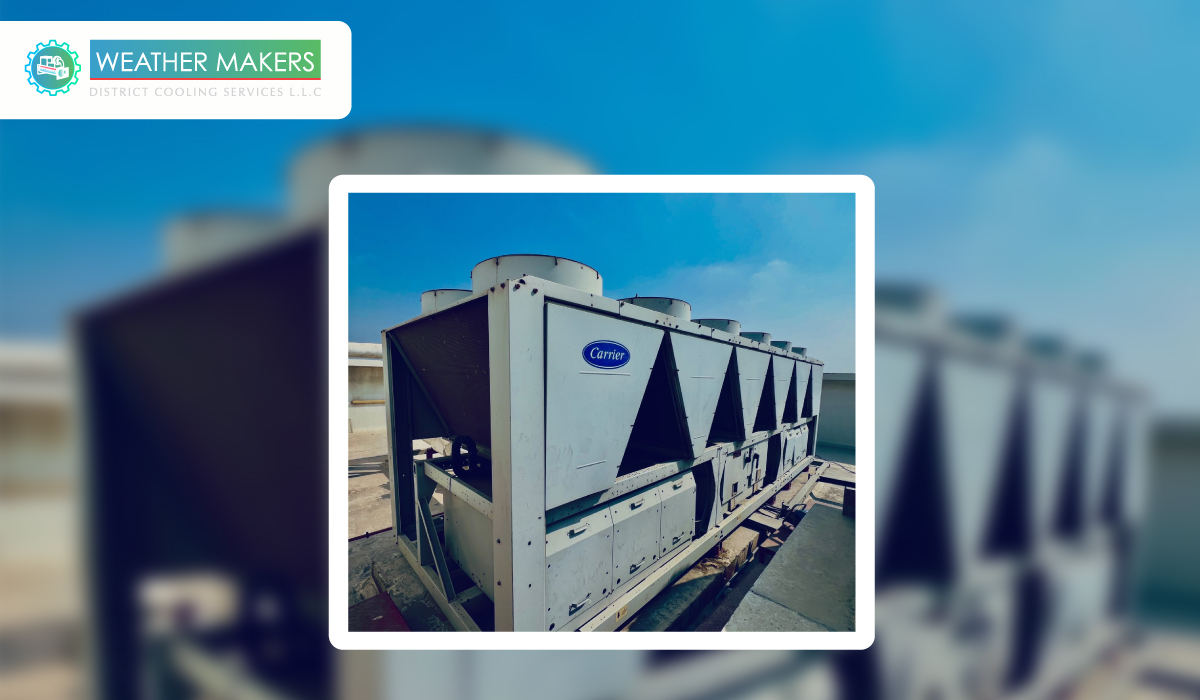
Common chiller problems can reduce cooling performance, increase energy consumption, and interrupt daily business operations. Small faults can develop into major equipment failures when they remain unnoticed. Regular inspections and timely repairs help maintain reliable cooling and reduce unexpected expenses.
Chillers support cooling in commercial buildings, hotels, hospitals, shopping centres, and industrial facilities. They remove heat from water and supply chilled water to air conditioning systems. When a chiller does not operate correctly, indoor comfort and essential operations can suffer. Understanding common faults helps facility managers recognise warning signs and arrange repairs before the situation becomes more serious.
Common Chiller Problems: Causes and Prevention
1. Poor Cooling Performance
Poor cooling is a frequent issue in commercial cooling systems. A chiller may continue running but fail to maintain the required water temperature. Occupants may notice warm indoor spaces or inconsistent cooling throughout the building.
Several factors can cause this problem. Low refrigerant levels, dirty heat exchangers, restricted water flow, and incorrect temperature settings can reduce cooling capacity. Faulty sensors may also provide incorrect readings to the control system.
To prevent this issue, facility teams should monitor water temperatures, check system pressure, and investigate unusual changes in cooling output. Professional inspection can help identify the actual cause and prevent unnecessary component replacement.
A professional commercial chiller service can help identify the cause of poor cooling and recommend suitable corrective action.
2. Refrigerant Leaks
Refrigerant transfers heat through the chiller’s cooling cycle. When refrigerant escapes, cooling performance may decline and operating conditions can become unstable. The system may also consume more electricity while trying to meet the required cooling demand.
Leaks can develop around joints, valves, seals, and damaged pipework. Repeated low-pressure alarms, reduced cooling capacity, and frequent refrigerant top-ups may indicate a problem. However, these symptoms can have other causes, so proper testing is necessary.
Qualified technicians should locate and repair leaks before restoring the refrigerant charge. Regular inspections can help identify damaged connections early. Adding refrigerant without repairing the leak is not a lasting solution.
3. Compressor Failure
The compressor drives refrigerant in the chiller and helps in the heat transfer process. Failure of the compressor may cause the chiller to cease producing adequate cooling. Major compressor repairs can be very costly and disruptive.
Some causes of malfunction in a chiller compressor include insufficient lubrication, overheating, electrical malfunctions, high pressure, and liquid refrigerant entering the compressor. Strange vibrations, unusual sounds, and continuous tripping are some of the signs of malfunction of the chiller compressor.
Some of the preventive maintenance practices for chiller compressors include regular checking of operating pressures, monitoring temperatures, checking electrical connections, and lubrication as per the manufacturer’s guidelines. It is important not to continually switch on a compressor that is tripped by a safety alarm.
4. Dirty Condenser and Evaporator Tubes
Heat exchangers transfer heat between the refrigerant and water, depending on whether they function as condensers or evaporators. Over time, the heat exchanger gets covered by scale, sediment, and deposits, which hinder heat transfer and make the chiller operate harder.
Chiller tube cleaning is a process of eliminating deposits that impede performance. The cleaning frequency is dependent on the quality of water, working hours of the equipment, its design, and manufacturer recommendations. Not paying attention to the state of the tubes can lead to increased energy costs and decreased cooling efficiency.
Preventive maintenance must involve monitoring the water quality, analyzing working parameters, and examining the tubes for deposits. The technicians need to select adequate cleaning methods depending on the tube material and type of deposits.
Support from a chiller maintenance company in Dubai can help businesses plan suitable inspections and cleaning schedules.
5. Low or Restricted Water Flow
In order to allow the chillers to release their heat effectively, adequate water flow needs to be assured. Clogged strainers, closed valves, faulty pumps, air pockets, and faulty flow sensors are some issues that can result in inadequate flow. Low flow can generate alarms or even cause the equipment to shut down.
The right chiller maintenance checklist is one that includes checking pumps, valves, strainers, flow of water, and the appropriate sensors. Technicians need to verify the flow readings against the design of the equipment, as well as check any persistent low flow alarms.
Facility personnel should check for leaks and ensure that control valves function correctly. Failure to do this will simply lead to repetitive alarms and shutdowns.
Regular chiller maintenance Dubai services can help identify water circulation issues before they cause repeated shutdowns.
6. Electrical and Control System Faults
Electrical faults can occur in electric motors, pumps, fans, sensors, and control panels. Loose connections, voltage imbalance, faulty wiring, and component defects might lead to unplanned shutdowns. Control issues might also lead to problems with the machine’s response to varying cooling needs.
Inspections will involve taking electrical readings, checking on the sensors, and reviewing the history of alarm signals. The technician will be able to compare the readings with those provided in the manufacturers’ guidelines and determine which components need to be addressed.
The inspection of electrical panels should only be carried out by qualified technicians and using proper safety guidelines. The operators should never disable any safety controls in order to keep the malfunctioning equipment operational.
Businesses searching for chiller repair near me should choose qualified technicians who can diagnose electrical faults safely.
7. High Condenser Pressure
High condenser pressure can contribute to increased workload on the compressor and electrical energy usage. When pressure surpasses the allowable range, the operation of the chiller stops to safeguard its components.
Some possible reasons for high pressure include dirty condenser coils, low cooling water flow rate, cooling tower issues, poor airflow in air-cooled chillers, and non-condensable gases in the refrigeration system.
Water cooled chiller maintenance should include appropriate checks of condenser cleanliness, cooling water flow, water temperatures, and cooling tower performance. Air-cooled units also require adequate airflow and clean condenser coils.
Technicians should investigate recurring high-pressure alarms rather than repeatedly resetting them. Operating readings can help determine whether the fault comes from poor heat rejection, restricted flow, or another underlying issue.
8. Water Quality and Scale Formation
Water of poor quality may lead to scaling, corrosion, and deposition within water circuits, and such phenomena inhibit heat exchange and cause wear on metal surfaces. Biological contamination and suspensions may also influence the cleanliness of the water circuit.
The process of water purification should be appropriate for the design of equipment, water source, and its operation parameters. Water treatment should be carried out as required, maintenance records should be maintained, and strainers should be inspected for corrosion and blockages.
A suitable chiller system maintenance programme should include water quality checks alongside mechanical and operational inspections. Any chemical treatment must follow manufacturer guidance and recommendations from qualified water-treatment specialists.
9. Excessive Noise and Vibration
Unusual vibration or noise could mean that there are loose parts, bearing wear, coupling misalignment, fan damage, or compressor malfunctions. Overlooking these symptoms could turn a simple mechanical problem into a major maintenance issue.
The personnel of the facility need to observe any deviation in the normal vibration or noise level of the equipment. The maintenance history will enable the technician to compare his or her measurements with previous readings and pinpoint potential problems.
Some preventive actions that can be taken involve checking mounting screws, inspecting motors and bearings, and checking any other mechanical joints. It is important for the technician to locate the cause first before doing anything else.
A professional chiller repair Dubai service can identify the source of unusual vibration and help prevent further mechanical damage.
10. Unexpected Chiller Shutdowns
Failure of the air conditioning system due to chiller breakdown can disrupt the building’s functioning and cause damage to areas that are sensitive to temperatures. Failure may arise due to the failure of the compressor, electrical system, insufficient water flow, high pressures, or control issues.
In the event of a shutdown, the operators must follow the emergency procedures at the location. They need to make notes about the alarm codes, any symptoms, and contact trained personnel. Resetting the system without knowing the cause can put the equipment at a higher risk of getting damaged.
In emergencies, professional emergency chiller repair in Dubai services can help identify and resolve the issue.
How Regular Maintenance Helps Prevent Chiller Problems
Predictive maintenance of chillers involves using operating information, inspection results, and equipment trends to detect possible problems before there is any unexpected downtime. Predictive maintenance can help facilities managers know the condition of the equipment and detect gradual deterioration.
The maintenance schedule should take into consideration the kind of chiller, operating hours, manufacturers’ advice, and the cooling demands. Some equipment that works continuously may need more attention than others.
Useful maintenance activities include:
- Checking operating pressures, temperatures, and signs of refrigerant leakage.
- Inspecting electrical connections, motors, and control sensors.
- Reviewing pump operation and water flow.
- Cleaning coils and heat exchangers when required.
- Testing safety controls and alarm functions.
- Recording readings, repairs, and recurring faults.
Professional chiller maintenance services help businesses plan maintenance schedules and maintain accurate service records. Regular inspections will help to detect any changes that might affect the regular operation.
Planning the maintenance program will assist in monitoring and making decisions on any repairs and replacement of components.
Conclusion
Avoiding common chiller problems requires awareness of their symptoms, good control of the machine’s operating parameters, and a proper maintenance regime.
Problems such as poor cooling, refrigerant leakage, compressor issues, clogged tubes, and electrical faults can often be spotted before they become serious. Regular checkups and prompt repair work will ensure protection of the machinery and its functionality.
Weathermakers District Cooling Services LLC provides chiller maintenance and repair support for commercial and industrial cooling systems.
Frequently Asked Questions
What are the most common chiller problems?
Common chiller problems include poor cooling, refrigerant leaks, compressor faults, restricted water flow, dirty heat exchangers, and electrical failures. Regular inspections help identify these issues early.
How often should a chiller be maintained?
Maintenance frequency depends on the equipment type, operating hours, and manufacturer’s recommendations. A planned schedule helps detect faults and maintain reliable performance.
Can regular maintenance prevent chiller breakdowns?
Regular maintenance can reduce the risk of unexpected failures by identifying wear, leaks, and performance changes early. It cannot prevent every fault, but it helps limit avoidable downtime.

[…] they can help the technician to learn how the machine worked before it broke down. Identifying common chiller faults early gives facility teams a better opportunity to arrange suitable repairs before the equipment […]
[…] symptoms may also arise due to other common chiller problems, such as reduced water flow, cooling tower problems, sensor faults, or improper control settings. A […]