
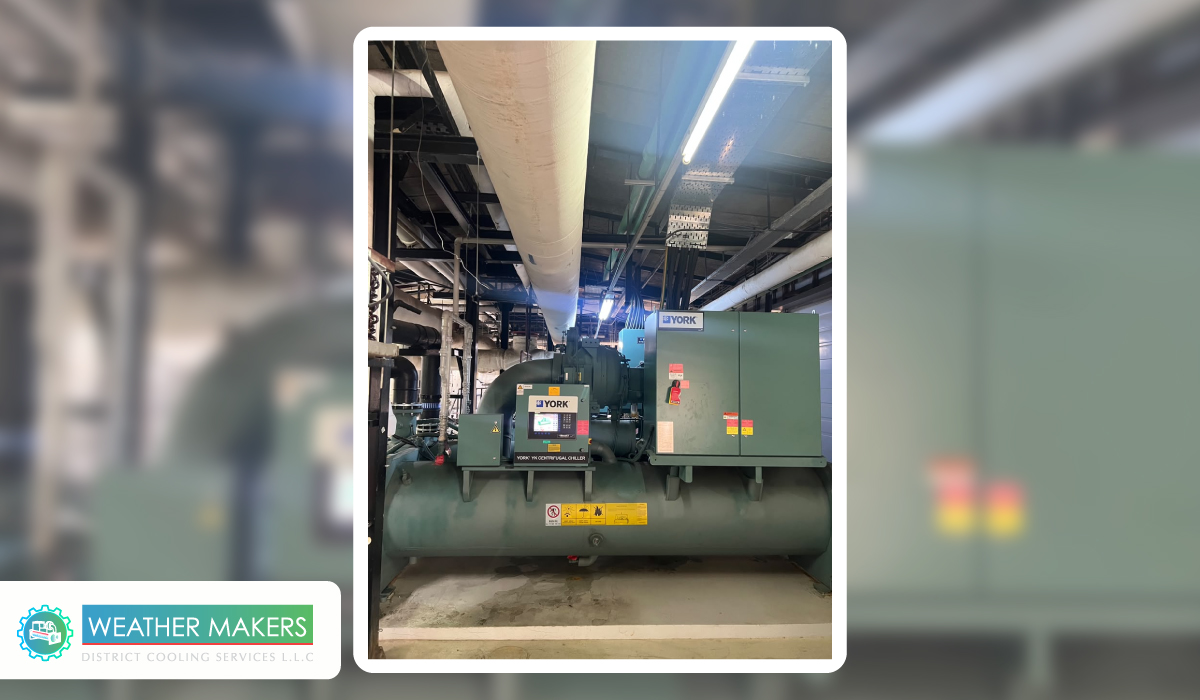
Chiller system design is an important stage in planning a reliable cooling system. The design affects cooling performance, energy use, equipment life, and future service work. A well-planned system can provide stable cooling for years. Poor planning can lead to uneven temperatures, high running costs, frequent faults, and difficult repairs.
A chiller is not a standalone machine. Pumps, pipes, valves, controls, heat exchangers, and other components must work together. Every part needs to suit the building and its cooling requirements. Small mistakes during planning can become expensive problems after installation.
Common Mistakes in Chiller System Design
1. Choosing the Wrong Chiller Capacity
Chiller capacity should match the actual cooling requirement. Choosing a larger unit simply because it offers more capacity is not always a good decision. An oversized unit may operate at low loads for long periods. This can affect efficiency and control.
An undersized unit can create a different problem. It may struggle during periods of high demand. The equipment may run for extended hours without reaching the required temperature.
Designers should study the building’s actual cooling demand before selecting equipment. Occupancy, equipment loads, operating hours, seasonal changes, and future expansion should all be considered.
The capacity assessment should include:
- Peak cooling demand
- Normal operating load
- Part-load conditions
- Future expansion
- Standby requirements
- Expected operating hours
A capacity decision based on realistic information can provide better performance and avoid unnecessary equipment costs.
2. Ignoring the Installation Environment
Equipment performance depends partly on where and how it is installed. The available space, ventilation, surrounding temperature, access, and heat rejection requirements should be reviewed before equipment selection.
For an air cooled chiller design, the installation environment deserves particular attention. The surrounding air temperature can affect heat rejection and overall performance. Restricted airflow can also reduce the effectiveness of the equipment.
The physical arrangement should be reviewed before installation. Designers should check whether there is enough space around the equipment and whether future service work can be completed safely.
These considerations are easy to overlook when the focus is placed only on equipment capacity.
3. Incorrect Chilled Water Flow Calculations
Water flow is another important part of a cooling system. Incorrect calculations can cause poor temperature control and unnecessary pump operation.
Pipes must be correctly sized for the required flow. Pumps should provide suitable pressure. Valves should respond properly to changing conditions. Coils and heat exchangers must also receive the required water flow.
Poor chilled water system design can create balancing problems. Some areas may receive too much water while others receive too little. The chiller may appear to be operating correctly while certain areas still experience poor cooling.
The design should therefore check pipe sizes, pressure losses, pump capacity, valve selection, and flow requirements before installation.
4. Designing Each Component Separately
A cooling plant contains several connected systems. Planning each component separately can create problems when the equipment is finally connected.
A good central chiller plant design considers the relationship between chillers, pumps, water circuits, controls, electrical equipment, and heat rejection equipment.
The design should also consider different operating situations. For example, the plant may need to continue providing cooling when one unit is unavailable for service.
Equipment sequencing should be practical. Standby arrangements should also match the importance of the facility and its cooling requirements.
Looking at the entire plant can prevent problems that may not be visible when individual components are considered alone.
5. Leaving Maintenance Access Out of the Plan
Maintenance access should be considered before equipment is installed. Technicians need enough space to inspect, clean, test, repair, and replace components.
A practical chiller design should provide clear access to important service areas. Pumps, valves, electrical panels, sensors, and other components should not be placed where routine work becomes difficult.
Equipment removal is another point to consider. Large components may eventually need to be replaced. If access is restricted, future work may require additional dismantling or construction.
A design that considers maintenance from the beginning can save time and reduce disruption later.
6. Using Weak Control Strategies
Controls have a direct effect on how a cooling plant operates. A system can have good equipment but still perform poorly if the controls are not properly planned.
The control strategy should respond to changes in cooling demand. Important operating information should also be available to the facility team.
A chiller plant management system can help operators monitor temperatures, pressure, flow, equipment status, and operating conditions. It can also make it easier to identify unusual behaviour.
Controls should be planned along with the rest of the system. Adding sensors and control equipment after installation can require additional work and expense.
7. Focusing Only on Initial Equipment Cost
The purchase price should not be the only factor when selecting cooling equipment. Chillers operate for many years, so energy consumption can have a significant effect on overall costs.
Designers should compare expected operating costs as well as the initial investment. Full-load performance matters, but part-load performance is also important.
Good chiller energy efficiency depends on the complete plant. Pumps, controls, operating schedules, and heat rejection equipment can all affect energy consumption.
A system with a slightly higher initial cost may provide better value if it delivers lower operating costs throughout its service life.
8. Forgetting Future Service Requirements
Maintenance should be considered during the planning stage. It should not be treated as something that begins only after the plant is operational.
A chiller maintenance checklist can help identify the components that require regular inspection. It can also help designers consider whether technicians will have suitable access to those areas.
Space should be provided around important components. Service routes should remain practical even when other equipment is operating nearby.
Designers should also consider how major components can be removed when required. Good planning at this stage can make future service work much easier.
9. Relying Entirely on Digital Tools
Software can support design decisions, but it should not replace engineering judgement. Digital models depend on the quality of the information entered into them.
Chiller plant optimization software can help compare different operating conditions and possible plant strategies. However, the results should always be reviewed against actual project requirements.
Site restrictions, equipment specifications, operating schedules, and maintenance requirements may not be fully represented by a software model.
The final decision should therefore combine technical calculations with practical site knowledge.
10. Treating Commissioning as a Final Step
Commissioning should be considered during the design process. Waiting until installation is complete can make testing more difficult.
The system should provide access to important equipment, sensors, valves, and control points. Testing requirements should also be defined before the plant is handed over.
Professional chiller commissioning services can help verify equipment operation, control sequences, water flow, and other important functions.
A clear commissioning plan can identify problems before normal operation begins. This gives the facility team a better starting point and reduces the risk of unresolved installation issues.
How to Avoid Common Design Mistakes
Avoiding design problems starts with a careful review of the complete system. The design team should consider how the plant will operate under different conditions.
Before installation, the following points should be checked:
- Confirm the cooling load with realistic data.
- Review peak and part-load requirements.
- Check pipe sizes and water flow.
- Confirm pump and valve requirements.
- Provide sufficient equipment access.
- Plan the control strategy early.
- Consider long-term energy costs.
- Allow space for future component removal.
- Review standby requirements.
- Prepare commissioning requirements in advance.
These checks can identify problems while changes are still easier and less expensive to make.
Make Maintenance Part of the Design
Maintenance requirements should influence the physical arrangement of the plant. A system may operate well during normal conditions but become difficult to service if access was not considered.
Future chiller system maintenance becomes easier when technicians can reach important components without removing unrelated equipment. Clear working areas also support safer service procedures.
Designers should consider routine inspections as well as major repairs. Filters, valves, sensors, electrical components, heat exchangers, and other service points should be accessible.
The design should also consider how maintenance may affect cooling availability. Where practical, the plant should allow individual equipment to be serviced without unnecessarily affecting the complete facility.
Consider the Long-Term Operating Needs
A cooling plant is a long-term investment. Design decisions should therefore consider more than the installation stage.
Operating schedules can change. Building occupancy can increase. Equipment can age. Cooling requirements can also change as the facility develops.
For this reason, the design should leave reasonable flexibility for future changes. This does not mean installing unnecessary capacity. It means understanding how the plant may need to operate several years after completion.
Good planning can make future improvements more practical and reduce the need for major changes.
Why Professional Support Matters
Technical planning is especially important for large cooling systems. A small design issue can affect several connected components once the plant is operational.
Experienced professionals can review the cooling arrangement, identify practical concerns, and check whether the equipment suits the intended application.
Regular chiller plant maintenance is also important after installation. Inspection, cleaning, testing, and performance checks help keep the equipment in suitable working condition.
Facilities that require specialist support can work with an HVAC maintenance company in Dubai for planned technical assistance. Larger projects may benefit from experienced HVAC maintenance companies in Dubai when broader maintenance resources are required.
Existing equipment may also need improvement rather than complete replacement. In some cases, chiller retrofit in Dubai can upgrade an older cooling plant.
Do Not Ignore Routine Service
Even a carefully designed system requires regular attention. Normal operation causes wear over time, and small changes in performance can indicate developing problems.
Planned chiller maintenance helps identify issues before they result in major equipment failure. Regular inspections can also provide useful information about equipment condition.
Service records should be maintained properly. They can help identify repeated faults, component wear, and changes in operating performance.
Facility teams should also know when specialist assistance is required. Early action can often prevent a minor issue from becoming a major interruption.
Choosing the Right Service Support
Cooling requirements do not end when installation is completed. Facilities may require inspection, repair, cleaning, troubleshooting, and other technical support during the equipment’s operating life.
Professional air conditioning services Dubai can support facilities with wider cooling requirements beyond the main chiller plant.
For specific equipment problems, specialist chiller repairs can help restore normal operation and reduce unnecessary downtime.
The right service support should match the size, complexity, and operating requirements of the facility.
Conclusion
Good chiller system design starts with accurate cooling requirements and a complete understanding of the plant. Capacity, water flow, controls, access, energy use, and future service needs should all be considered before installation.
Avoiding common mistakes can improve reliability and reduce unnecessary operating costs. It can also make future servicing easier and help the cooling system perform consistently throughout its service life.
Weather Makers District Cooling Services LLC provides professional cooling support for commercial and industrial facilities, including chiller services.
Frequently Asked Questions
What is the biggest mistake in chiller system design?
Choosing equipment without accurately calculating the actual cooling load is a common mistake. Proper load assessment helps prevent oversized or undersized equipment.
How can poor design affect chiller performance?
Poor planning can cause uneven cooling, higher energy use, difficult servicing, and frequent operating problems. A complete system review helps reduce these risks.
When should maintenance requirements be considered?
Maintenance should be considered during the design stage. Proper access and service space make inspections, repairs, and component replacement easier.




[…] best chiller system maintenance includes checks on compressors, pumps, controls, electrical connections, water circuits, heat […]
[…] proper chiller system design considers the entire cooling circuit. Chillers, pumps, piping, valves, controls, and terminal units […]