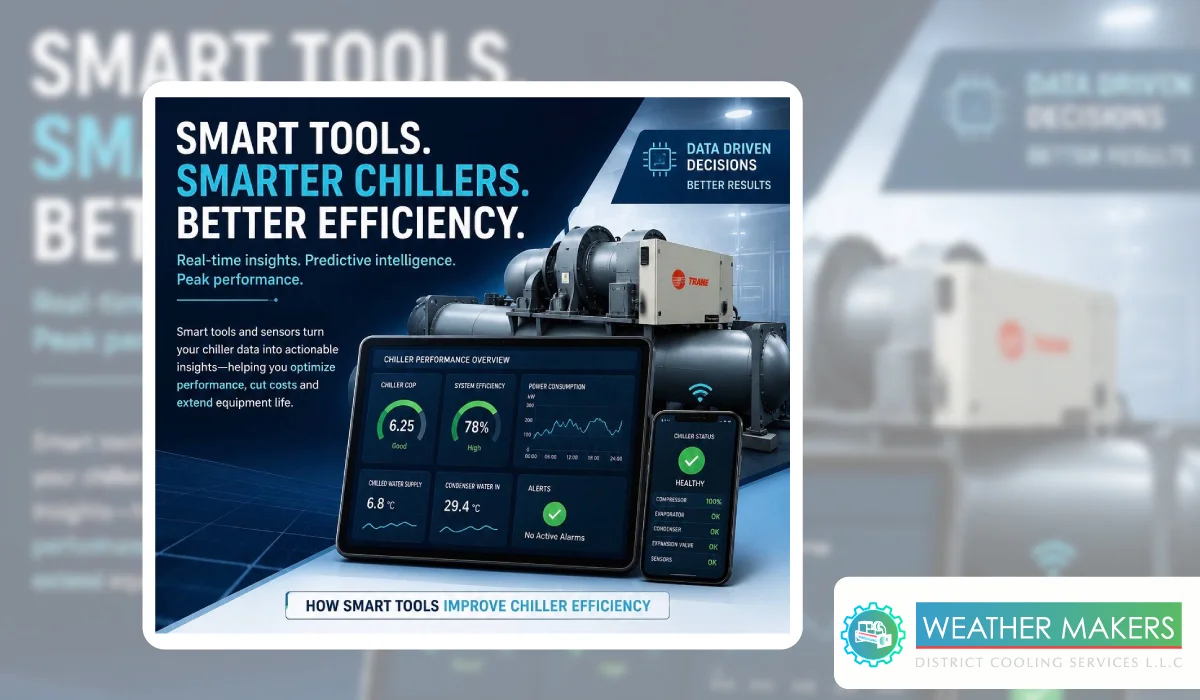
Chiller plant optimization software helps facility teams make better decisions about cooling performance, energy use, and equipment operation. Smart tools collect plant data and turn it into useful information. A cooling plant has many connected parts. Chillers, pumps, cooling towers, sensors, and controls all affect performance.
Smart optimization is becoming more useful as cooling demands change throughout the day. Instead of relying only on fixed settings, facility teams can use live operating data to understand plant performance and make timely adjustments. This can help reduce unnecessary energy use, support equipment reliability, and improve the overall value of existing cooling assets.
What Is Chiller Plant Optimization Software?
A digital optimization platform monitors equipment and operating conditions across a cooling plant. It can collect data from chillers, pumps, cooling towers, meters, sensors, and control systems. The platform then compares current conditions with selected performance targets.
The platform supports this through monitoring, trends, alerts, and guided control changes. It also creates a useful performance history. Facility teams can review how the plant behaved during different loads, operating schedules, and conditions. This information supports better decisions about daily operation.
How Smart Tools Improve Chiller Energy Efficiency
Energy performance depends on more than the rated efficiency of an individual machine. Pump speed, condenser water temperature, chilled water flow, equipment loading, and control settings can all influence total plant consumption.
Smart tools can identify conditions that may otherwise go unnoticed. They can highlight unusual energy use, poor load distribution, or equipment running when demand is low. Operators can then investigate the cause and make controlled adjustments.
Common areas for review include:
- Chiller loading and sequencing.
- Cooling tower performance.
- Chilled water supply and return temperatures.
- Plant power consumption compared with cooling output.
The goal is not simply to switch equipment off. It is to select an operating strategy that matches actual demand and avoids unnecessary energy use.
Using Data for Better Plant Decisions
Reliable data is the foundation of useful optimization. Sensors and meters can provide information about temperature, pressure, flow, electrical consumption, and cooling output. A smart platform brings these readings into one view.
This helps operators answer practical questions. Is the plant meeting current demand? Are too many chillers running? Is a pump operating at a higher speed than necessary? Has power use increased without a similar increase in cooling output?
Trend data is also useful. A gradual change can reveal declining performance before the issue becomes expensive. Early visibility gives the facility team time to investigate before the problem affects wider plant operation.
Key Functions of a Smart Chiller Plant Management System
A digital platform can support several areas of plant operation. Useful functions may include:
- Real-time equipment and plant monitoring.
- Demand-based chiller sequencing.
- Energy and cooling output tracking.
- Performance alerts and fault indications.
- Trend reports for temperature, flow, load, and power.
- Historical data for performance comparison.
Clear dashboards and practical alerts are easier to use. The system should help operators understand what needs attention without creating unnecessary complexity.
Why High Efficiency Chillers Still Need Optimization
Modern chillers can deliver excellent performance, but their real-world results depend on plant conditions. A highly efficient machine can still consume unnecessary power if it operates at an unsuitable load or works with poorly controlled pumps and cooling towers.
Optimization helps match equipment operation with actual cooling demand. During low demand, the system can support decisions about which machines should run. During higher demand, it can help distribute the load more effectively.
It can also reduce unnecessary cycling and improve operating stability. Operators gain a clearer basis for decisions instead of relying only on fixed schedules or manual adjustments.
Linking Optimization With Chiller Plant Maintenance
Chiller plant maintenance remains important even when advanced monitoring is installed. Software can identify unusual trends, but technicians still need to inspect physical equipment and correct the cause of a problem.
A useful maintenance program can include:
- Performance checks and operating tests.
- Heat exchanger and condenser inspection.
- Pump and motor condition checks.
- Sensor and control calibration.
- Cooling tower inspection and cleaning.
- Review of unusual energy or temperature trends.
Connecting monitoring with service work improves planning and can reduce unexpected downtime.
Improving ROI Through Better Equipment Use
The return from smart optimization is not limited to electricity savings. Better control can also support equipment reliability, maintenance planning, and longer asset life.
For example, a plant may show repeated operation outside a preferred range. The cause could be a control setting, incorrect flow, poor sequencing, or a mechanical issue. Finding the cause can prevent the facility from spending money on a larger replacement when a targeted correction may be enough.
Potential financial benefits include:
- Lower electricity consumption.
- Reduced unnecessary operating hours.
- Fewer avoidable breakdowns.
- Better use of existing plant capacity.
- More informed upgrade decisions.
- Improved maintenance planning.
The business case is stronger when results are measured before and after changes. Energy use, cooling output, operating hours, and maintenance events can provide useful comparisons.
Supporting Existing Chiller System Maintenance
Routine servicing should remain part of the optimization strategy. Dirty heat transfer surfaces, incorrect water flow, worn components, and faulty sensors can reduce plant performance and affect the quality of monitoring data.
For water-based plants, water cooled chiller maintenance is especially important. Heat transfer surfaces, water quality, condenser conditions, and flow rates need regular attention. Poor conditions can increase energy use and reduce cooling capacity.
A clear chiller maintenance checklist can cover inspections, cleaning, testing, calibration, safety checks, and performance records. Digital monitoring and physical service work together to show system condition and guide physical service.
When a Retrofit May Be Better Than Replacement
Older plants do not always need complete replacement. Controls upgrades, sensor improvements, and targeted component changes can sometimes improve performance while keeping suitable existing equipment in service.
A chiller retrofit in Dubai may be considered when equipment remains mechanically sound but older controls or supporting systems limit performance. A retrofit can introduce better monitoring and control without replacing every major asset.
The decision should consider energy use, equipment condition, expected savings, capital cost, and remaining asset life.
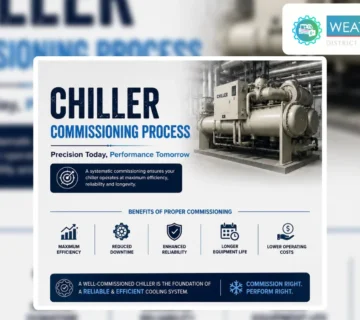
After major modifications, chiller commissioning services can help verify that new equipment or control changes operate as intended. Proper testing provides a useful performance baseline for future monitoring.
Choosing the Right Service Partner
Software works best when experienced professionals manage the cooling plant. When selecting an HVAC maintenance company in Dubai, facility owners should consider technical experience, response time, reporting quality, and knowledge of central cooling systems. The service provider should also understand how digital controls work with mechanical equipment.
Comparing Service Providers
Service scope is important when comparing HVAC maintenance companies in Dubai. Facility teams should review preventive maintenance, inspection procedures, technical reporting, emergency support, and equipment expertise. A structured service approach makes it easier to maintain consistent plant performance and track recurring issues.
Addressing Equipment Problems
Monitoring data can reveal signs that chiller repair may be required. Strange temperatures, variations in pressure, vibrations, noises, or low capacity of the cooling system could signal a problem. Early diagnosis will enable the technician to determine the root cause of the problem and correct the situation.
Some equipment problems require detailed technical attention. Chiller repairs in time can bring back normal functionality in case of any problems related to mechanical, electrical, and control systems. The equipment needs to be tested for proper performance once the repairs are done.
Maintaining Overall Performance
A wider range of chiller services can include inspection, preventive maintenance, diagnostics, performance checks, and technical support. A coordinated service approach helps facility teams maintain equipment condition and make better decisions about future maintenance, upgrades, and plant performance.
A chiller service company in Dubai should understand how chillers, pumps, controls, and supporting equipment work together. This knowledge helps technicians identify performance issues more accurately. Planned servicing and regular inspections can also support reliable operation and better energy performance.
Building a Practical Optimization Strategy
Optimization works best when it starts with a clear baseline. Facility teams should first understand current energy use, cooling output, equipment loading, operating hours, and control settings.
A practical process can follow six steps:
- Establish a baseline. Record key energy and performance data.
- Check data quality. Verify meters, sensors, and controls.
- Find major losses. Review sequencing, flow, temperature, and equipment loading.
- Set measurable targets. Define realistic efficiency and reliability goals.
- Test improvements. Make controlled changes and monitor the results.
- Review regularly. Confirm that improvements remain effective over time.
This keeps the project focused on measurable performance.
Making Smart Cooling More Reliable
Smart tools need accurate inputs. Sensors, meters, and communication links should be checked. Staff training also matters. Operators need enough technical understanding to interpret alerts and choose suitable action. Regular chiller maintenance supports this process by keeping equipment in good condition.
Facilities can also use air conditioning services Dubai providers for wider HVAC support when the cooling plant connects with other building systems.
Measuring Results After Optimization
Optimization should be measurable. Without clear performance indicators, it is difficult to prove whether a project has delivered financial or operational value.
Useful indicators include:
- Energy consumed per unit of cooling.
- Total plant electricity use.
- Chiller operating hours.
- Pump and cooling tower energy use.
- Chilled water supply and return temperatures.
- Cooling output at different loads.
- Number of alarms and unplanned service events.
Trends over several months usually provide a clearer picture than checking one day. Seasonal changes and variations in cooling demand should also be considered.
Long-Term Value of Smart Plant Management
Smart tools can help facilities move from reactive operation toward planned performance management. Instead of waiting for high energy bills or equipment failures, teams can use operating data to identify changes earlier.
It supports budgeting and asset planning. It can also help managers decide whether a control adjustment, repair, upgrade, or replacement is the right next step. The best results come from combining technology, accurate data, sound engineering, and skilled technicians.
Conclusion
Chiller plant optimization software gives facility teams a clearer way to manage cooling performance, energy use, and equipment operation. It can support better sequencing, faster issue detection, and measurable efficiency improvements.
The investment can provide stronger ROI when it is combined with accurate monitoring, suitable controls, regular maintenance, and consistent performance reviews. Smart optimization is most valuable when it becomes part of the plant’s normal operating strategy rather than a one-time technology project.
Weather Makers District Cooling Services LLC provides professional support for cooling plant performance and related services.
Frequently Asked Questions
What does chiller plant optimization software do?
It monitors plant data and helps operators improve equipment operation, energy use, and cooling performance.
Can smart tools reduce chiller energy costs?
Yes. They can identify inefficient operations and help adjust equipment according to actual cooling demand.
Does software replace regular maintenance?
No. Software supports monitoring and planning, but physical inspection, testing, and servicing are still necessary.



[…] chiller plant management system can bring this information together. Facility teams can use the available data to understand how […]
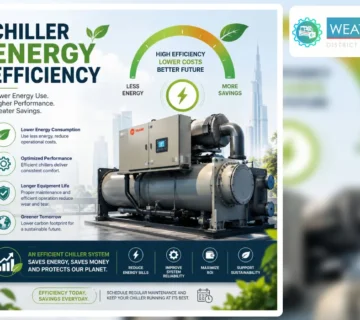
[…] Chiller energy efficiency is therefore an important part of the financial comparison. An efficient system may reduce the usage of electricity, given that it is correctly selected and operated. […]
[…] chiller plant maintenance also involves learning from previous failures. A post-failure review can reveal recurring faults, […]
[…] This is why heat transfer should be considered during equipment selection and daily operation. It is not only a maintenance concern. It is also an important part of long-term chiller plant efficiency. […]
[…] Chiller plant optimization software can help compare different operating conditions and possible plant strategies. However, the results should always be reviewed against actual project requirements. […]