
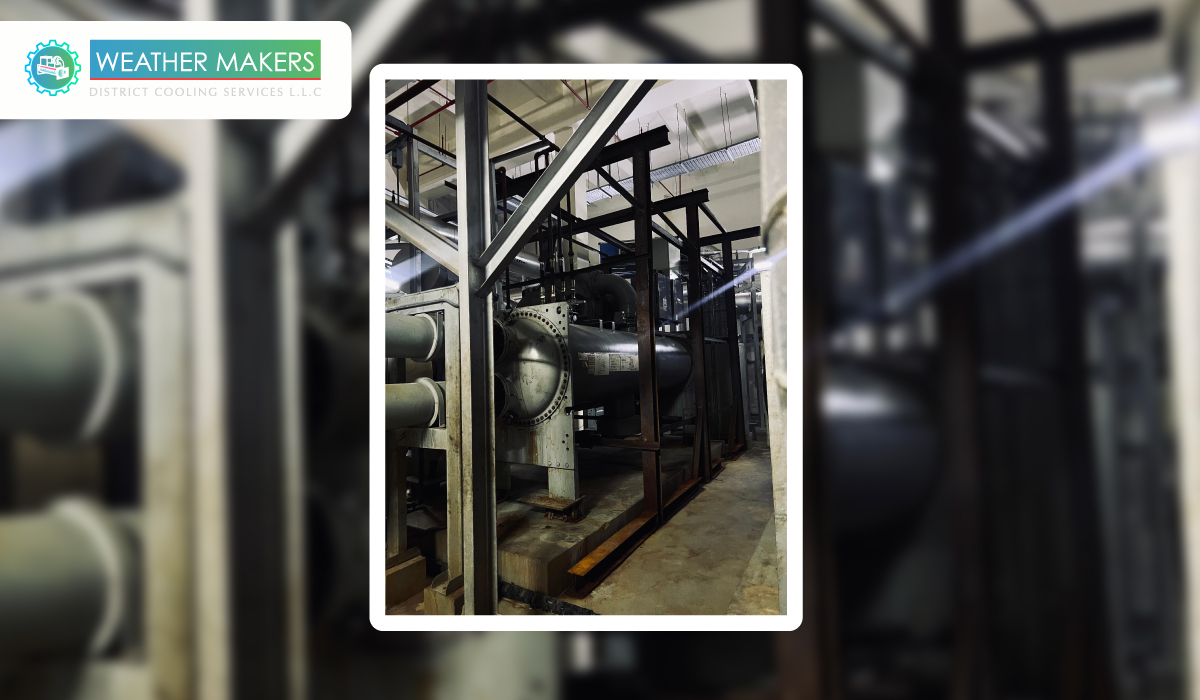
Reduce chiller energy consumption is an important goal for commercial buildings, industrial facilities, hotels, and large residential properties. Chillers often operate for long hours to maintain comfortable indoor temperatures and support different cooling requirements. However, unnecessary energy use can increase operating costs without improving cooling output. The right operating practices can help businesses control electricity consumption while maintaining stable cooling.
Reducing energy use does not always require installing a new chiller. Existing equipment can often deliver better results through correct settings, regular inspections, suitable operating schedules, and improved system control. Facility managers should understand how their cooling systems respond to changing demand. This helps them identify energy waste and make practical improvements without affecting daily operations.
Understand Your Chiller’s Actual Cooling Requirements
Every building has different cooling requirements. These requirements change according to occupancy, outdoor temperature, equipment use, and operating hours. A chiller that operates at full capacity throughout the day may consume more electricity than necessary when the cooling demand is low.
Facility managers should understand the actual cooling load before changing equipment settings. Operating a chiller according to real demand can prevent unnecessary energy use.
A proper assessment should consider:
- The building’s daily cooling requirements.
- Changes in occupancy during different hours.
- The number of chillers currently operating.
- Chilled water supply and return temperatures.
- The energy consumed during different operating periods.
This information helps operators understand whether the system is producing more cooling than the building needs. It also provides a useful starting point for improving overall performance.
Adjust Chiller Operating Settings Carefully
The operating parameters have an impact on energy usage. Misaligned temperature settings, high pressure settings, and incorrect operation schedules may cause machines to overwork. It is important not to sacrifice comfort inside a room for the sake of saving energy.
It is important to compare the parameters recommended by the manufacturer against those that are actually set. This must take into account the cooling needs of the building.
Important settings to review include:
Operating Parameter | What to Check |
Chilled water temperature | Maintain a suitable supply temperature based on the building’s cooling demand. |
Condenser water temperature | Check that the system operates within the recommended temperature range. |
Operating pressure | Monitor pressure readings to identify unusual operating conditions. |
Equipment schedules | Match operating hours with actual cooling requirements. |
Temperature sensors | Check sensor accuracy to avoid incorrect control decisions. |
Minor modifications can help improve the operating environment if they are based on correct readings. Try not to make any abrupt modifications without knowing how they will affect the entire cooling system.
Improve Energy Use Through Better System Control
Modern chiller controls help operators manage equipment according to cooling loads. The controls monitor operating conditions and help operators make better decisions about equipment operation. A properly programmed control system can help coordinate operations among chillers, pumps, and cooling towers. This becomes relevant in installations where multiple pieces of equipment work together.
This means that when cooling loads fall, the control system helps coordinate equipment operation based on the load.
A suitable control strategy should include:
- Automatic adjustment according to cooling demand.
- Proper sequencing of multiple chillers.
- Monitoring of pump and cooling tower operation.
- Accurate temperature and pressure readings.
- Alerts for unusual operating conditions.
A suitable chiller retrofit in Dubai may also help older systems benefit from improved controls and updated operating technology. The upgrade should be based on an assessment of the existing equipment and its expected performance.
Maintain Clean Heat Transfer Surfaces
Effective heat transfer is very important for the successful functioning of chillers. Heat is transferred by evaporators and condensers as part of the cooling process. Any accumulation of dust, scale, or any other deposits on the surface of such equipment reduces the efficiency of heat transfer.
The compressor has to do more work to ensure proper cooling capacity. More energy will be used, and some equipment will be subjected to extra pressure.
Regular inspections and maintenance help maintain good operating conditions. It is important to inspect condenser tubes and water quality, among other things.
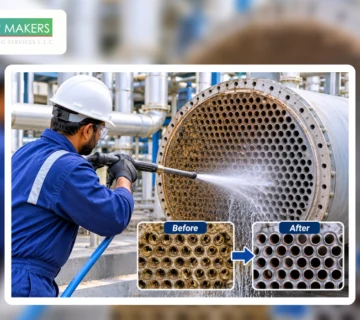
Chiller condenser tube cleaning is particularly important for water-cooled equipment. Removing deposits helps maintain heat transfer and supports reliable operation.
Cleaning schedules should consider water quality, operating hours, and the condition of the equipment. Regular inspection also helps identify early signs of scaling or contamination before they affect performance.
Maintain Water Flow Across the Cooling System
Water flow is critical to chiller operation. Insufficient water flow can affect heat exchange and cooling capacity. Flow that is excessive can result in wasted pumping energy and unnecessary costs.
There should be proper evaluation of the condition of the pumps, valves, strainers, and pipework. There should also be a comparison of the flow against the operating requirements of the equipment.
A suitable chiller system maintenance programme should include regular checks of water circulation and related components.
Pay attention to the following areas:
- Check pumps for unusual noise and vibration.
- Inspect valves for correct operation.
- Look for blockages in strainers and water lines.
- Monitor chilled water supply and return temperatures.
- Check for water leakage and pressure changes.
These checks help maintain stable water circulation. They also reduce the risk of operating problems that may affect cooling performance.
Use Variable-Speed Technology Where Suitable
Pumps and associated equipment don’t necessarily have to run at maximum speed all the time. They require different amounts of energy depending on the cooling load, which can be achieved using variable-speed drive technology that regulates motor speed.
This can be used as a way to conserve energy, especially when there is changing demand for water.
But the variable speed process needs proper consideration and design. Poor design might negatively impact water circulation, stability of equipment, and cooling supply.
Before carrying out any modifications, one should evaluate the current motors, pumps, controls, and the system requirements. Additionally, estimated energy savings should be compared to the cost of installation.
Follow a Planned Maintenance Schedule
Regular maintenance ensures that machines function in an appropriate manner. Minor issues have the ability to cause increased energy usage even before a system fails. These include things like dirty machinery, improper electrical wiring, worn components, and faulty sensors. A planned chiller plant maintenance programme should cover the complete cooling installation rather than focusing only on the main chiller unit.
Important maintenance activities include:
- Inspecting compressors, motors, and electrical connections.
- Checking refrigerant conditions and identifying possible leaks.
- Inspecting condenser and evaporator surfaces.
- Testing sensors, control panels, and safety devices.
- Checking pumps, cooling towers, and water circulation.
- Reviewing operating temperatures and pressure readings.
Businesses can work with experienced HVAC maintenance companies in Dubai to arrange suitable inspection schedules and technical support. Maintenance frequency should follow manufacturer recommendations and actual operating conditions.
Monitor Energy Consumption and Cooling Performance
The process of energy monitoring enables facility managers to determine whether the desired outcomes are achieved. In addition to monitoring electricity bills, facility managers should compare energy consumption with the amount of cooling provided. This makes it easy to know how efficiently the system works.
Useful performance information includes:
- Daily and monthly electricity consumption.
- Chiller operating hours.
- Cooling load and temperature readings.
- Compressor and pump operating conditions.
- Changes in energy use during different operating periods.
A routine performance review will highlight any unusual occurrences that might turn out to be costly in the future. This will also assist the management in determining what should be done. A professional chiller maintenance service Dubai provider can support these inspections and help identify areas where the system may be using more energy than required.
Know When an Equipment Upgrade Is Necessary
Older units can continue to work efficiently, but use more power than anticipated due to old controls, worn-out parts, or new building regulations.
In such cases, there is no need to replace the entire system. A technical evaluation can find out whether some parts and controls can be modernized.
A suitable chiller maintenance Dubai plan can help identify performance issues and determine whether an upgrade is necessary. Businesses should compare the expected energy savings with the investment cost before making a decision.
An upgrade may be worth considering when:
- Energy consumption remains high despite regular maintenance.
- Existing controls cannot respond properly to changing loads.
- Major components show repeated performance problems.
- The cooling system no longer matches the building’s requirements.
A reliable chiller maintenance company in Dubai can assess the equipment and recommend suitable maintenance or modernization options.
Reduce Chiller Energy Consumption Without Losing Cooling Quality
The best way to reduce chiller energy consumption is to manage the complete cooling system rather than focusing on one piece of equipment. Energy efficiency is affected by factors like temperature settings, water flow, operation schedules, controls, and maintenance. Facility managers need to start with an analysis of the current operating conditions. They will be able to determine wasteful energy consumption and make changes accordingly. The following practices can support long-term results:
- Match equipment operation with actual cooling demand.
- Keep heat transfer surfaces clean.
- Maintain suitable water flow.
- Review operating settings regularly.
- Monitor energy use and cooling output.
- Arrange professional inspections.
- Consider upgrades when existing equipment cannot meet efficiency requirements.
These steps help businesses control operating costs while maintaining the cooling conditions required for their facilities.
Businesses should also compare the technical experience and service capabilities of an HVAC maintenance company in Dubai before selecting a service provider.
Conclusion
Managing energy use in chillers requires continuous attention to equipment condition, operating settings, and cooling requirements. Organizations do not need to make large-scale equipment changes to achieve better results. A planned approach can help facilities reduce chiller energy consumption while protecting cooling performance and equipment reliability. Regular technical assessments also help identify improvement opportunities before energy waste becomes a larger operational expense.
Weathermakers District Cooling Services LLC provides chiller maintenance, retrofit, and energy management solutions to support efficient cooling operations.
Frequently Asked Questions
How can I reduce chiller energy consumption without affecting cooling?
Maintain correct temperature settings, clean heat transfer surfaces, optimise water flow, and operate equipment according to actual cooling demand. Regular performance monitoring also helps identify energy waste.
Can regular chiller maintenance lower electricity costs?
Yes. Regular maintenance helps identify dirty components, incorrect settings, and mechanical problems that can increase energy consumption. It also supports reliable cooling performance.
When should a chiller be upgraded?
Consider an upgrade when the equipment consumes excessive energy, struggles to meet cooling requirements, or has outdated controls. A professional assessment can help determine whether a retrofit or replacement is more suitable.


No comment