
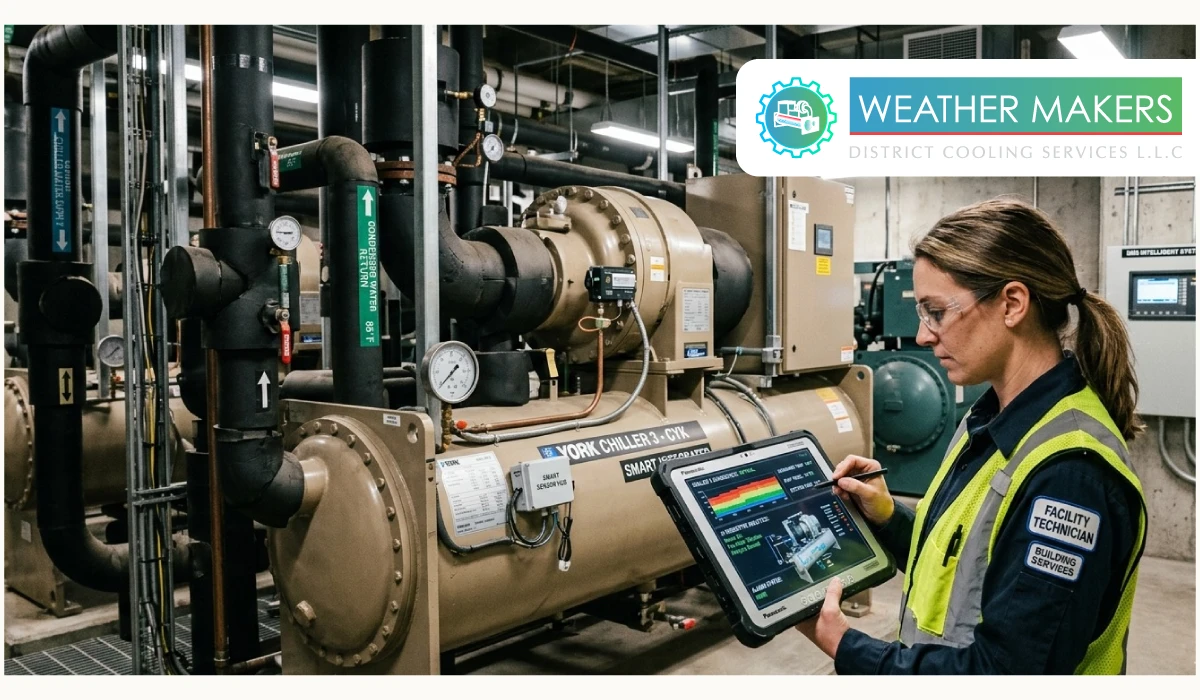
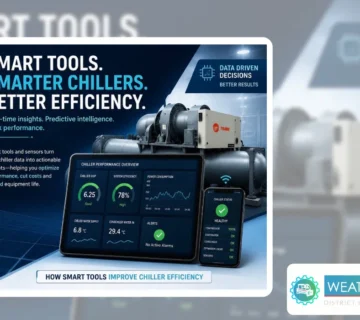
Smart chiller integration is changing how modern HVAC systems are monitored, controlled, and maintained. Companies today are not satisfied only with the cooling function provided by the systems. They require more efficient solutions that offer insights into system performance, prevent failures, and ensure better overall efficiency. Advanced Building Management Systems (BMS) are a crucial component of any successful operation.
Modern buildings rely on connected technologies. These systems collect data, analyze performance, and identify irregular patterns. When chillers are integrated with intelligent monitoring platforms, diagnostics become faster and more accurate. This approach supports better planning, reduces maintenance costs, and improves system reliability.
As buildings grow more complex, smart diagnostics are no longer optional. They are becoming an essential part of efficient cooling management.
The Importance of Smart Chiller Integration in Modern HVAC
Chiller integration combines chillers and advanced BMS platforms to enable seamless control of the systems. The process offers a variety of benefits, such as continuous monitoring and system visibility. Unlike conventional systems, intelligent integration makes it possible to obtain valuable information related to system operation.
The key benefits of intelligent chiller integration include:
- Real-time system performance monitoring
- Quick identification of system inefficiencies
- Automated system management and optimization
- Precise energy management practices
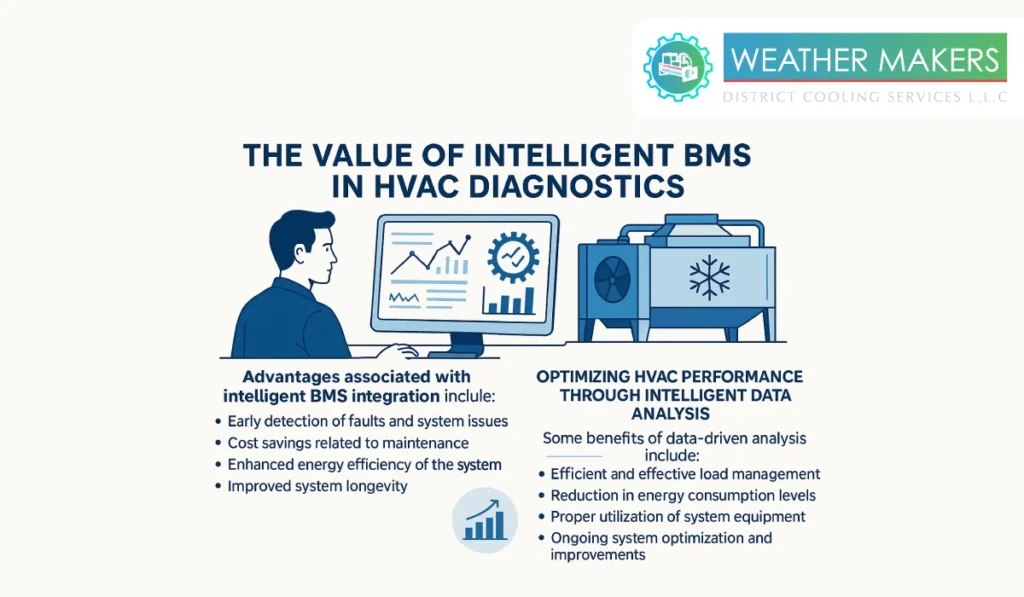
The Value of Intelligent BMS in HVAC Diagnostics
Modern BMS systems are far more sophisticated than their predecessors. Not only do they continuously monitor system operation, but they also collect and analyze data obtained from various sources. In doing so, they allow for quick detection of system abnormalities.
Advantages associated with intelligent BMS integration include:
- Early detection of faults and system issues
- Cost savings related to maintenance
- Enhanced energy efficiency of the system
- Improved system longevity
Correct BMS implementation ensures that system diagnostics become an integral part of the process.
Optimizing HVAC Performance Through Intelligent Data Analysis
Data-driven diagnostics and system optimization are crucial components of modern HVAC systems. Intelligent BMS solutions can be used to analyze performance and identify potential areas for improvement.
Some benefits of data-driven analysis include:
- Efficient and effective load management
- Reduction in energy consumption levels
- Proper utilization of system equipment
- Ongoing system optimization and improvements
This feature may be especially useful during the chiller retrofit process.
Smart Chiller System Integration for Retrofit Projects
Many buildings operate with older cooling systems. Upgrading entire systems may not always be practical. Smart monitoring platforms offer a flexible solution.
With a chiller retrofit, existing systems can be enhanced with modern monitoring tools. This approach allows facilities to improve performance without replacing major equipment.
Benefits of retrofit integration include:
- Improved monitoring capabilities
- Enhanced diagnostic accuracy
- Reduced operational costs
- Extended equipment life
- Better energy management
Advantages Associated with Smart HVAC Chiller Integration
Modern facilities cannot operate without smart HVAC Chiller Systems. Chiller systems need to be optimized and maintained properly to meet growing demands. With proper integration, system control is centralized, and the operation process is streamlined.
Benefits associated with smart chiller system integration include:
- Centralized system management and control
- Real-time alerts and notifications
- Better fault diagnosis and prevention
- Continuous system optimization processes
Intelligent chiller BMS Integration offers many advantages and allows for effective management and control.
The Significance of Preventive Maintenance in HVAC Systems
Proper HVAC operation is not sustainable without preventive maintenance. Smart chiller system integration enables facility managers to gather accurate data needed to conduct planned and regular maintenance.
Some advantages offered by chiller preventive maintenance include:
- Reduced risk of unexpected system breakdowns
- Significant cost savings on repairs
- Extended system lifecycle and longevity
- Constantly high system performance
Regular support from a chiller maintenance company helps companies maintain optimal system efficiency. It also reduces dependency on emergency chiller repair services.
Supporting Faster Response and Service Efficiency
Smart diagnostics improve response time during system issues. Automated alerts notify teams immediately when abnormalities occur. This reduces response delays and improves service efficiency.
Facility managers benefit from:
- Faster fault identification
- Reduced manual inspections
- Improved repair planning
- Better coordination with service teams
Reliable monitoring also supports professional chiller service operations. Service teams can prepare in advance based on system data. This improves efficiency and reduces repair time.
Smart BMS Chiller Integration for Future-Ready Solutions
Technologies continue to evolve, and businesses must invest in future-ready HVAC solutions. Smart BMS Chiller Integration supports seamless communication between systems and improves operational flexibility.
Key features include:
- Integration with advanced digital platforms
- Scalable system upgrades
- Connectivity with IoT-based devices
- Improved remote monitoring and control
These capabilities help organizations maintain high standards of performance and operational reliability.
Improving Reliability in Commercial and Industrial Facilities
Large facilities require consistent cooling performance. Manufacturing plants, commercial towers, and healthcare environments depend heavily on stable temperatures.
Smart monitoring helps maintain reliability through:
- Continuous performance tracking
- Automated system adjustments
- Early warning alerts
- Reduced operational risk
This improves productivity and operational efficiency.
Facilities often work with a chiller maintenance company in Dubai to ensure professional monitoring and support. Smart diagnostics enhance these services by providing accurate performance insights.
Smart Chiller System Integration and Long-Term Cost Control
Operational costs remain a key concern for facility owners. Smart monitoring helps reduce unnecessary expenses by improving efficiency.
Cost-saving advantages include:
- Reduced emergency repair costs
- Improved energy efficiency
- Lower maintenance expenses
- Extended equipment lifespan
Smart diagnostics also reduce unexpected breakdowns. This improves operational stability.
Organizations seeking reliable chiller repair Dubai benefit from intelligent monitoring. Early detection reduces repair complexity and improves service efficiency.
Conclusion
Smart chiller integration plays a critical role in improving HVAC system efficiency and reliability. It enables real-time monitoring, early fault detection, and informed decision-making. These advantages help reduce downtime and improve long-term system performance.
Businesses that invest in intelligent BMS platforms gain better control over operations and energy usage. Regular chiller service further strengthens system stability and ensures consistent cooling performance.
WeatherMakers delivers advanced HVAC solutions that improve cooling efficiency through intelligent monitoring and smart system integration.
Frequently Asked Questions
What is smart chiller integration?
It is the process of connecting chillers with intelligent systems to improve monitoring, control, and efficiency.
How does a BMS improve HVAC diagnostics?
A BMS collects and analyzes system data to detect faults early and support better maintenance planning.
Why is preventive maintenance important for chillers?
It helps reduce unexpected failures and keeps the system running efficiently for longer periods.


No comment