
Chiller replacement cost is more than the price of a new machine. The final expense can include removal of the old chiller, installation, electrical work, piping changes, controls, testing, and other site work. There are also costs that come later, such as electricity, maintenance, repairs, and replacement parts. Looking at all these costs gives a more realistic picture of the investment.
For a facility manager, replacing a chiller is a major decision. The equipment may stay in service for many years, so the purchase price should not be the only concern. A chiller with a higher initial price may cost less to operate over time. A lower-priced option may require more maintenance or use more energy.
Understanding the Full Chiller Replacement Cost
The first step is to look at the complete project. A quotation for the chiller itself does not always show the full amount that the facility will spend.
The project may include:
- New chiller equipment
- Removal of the existing unit
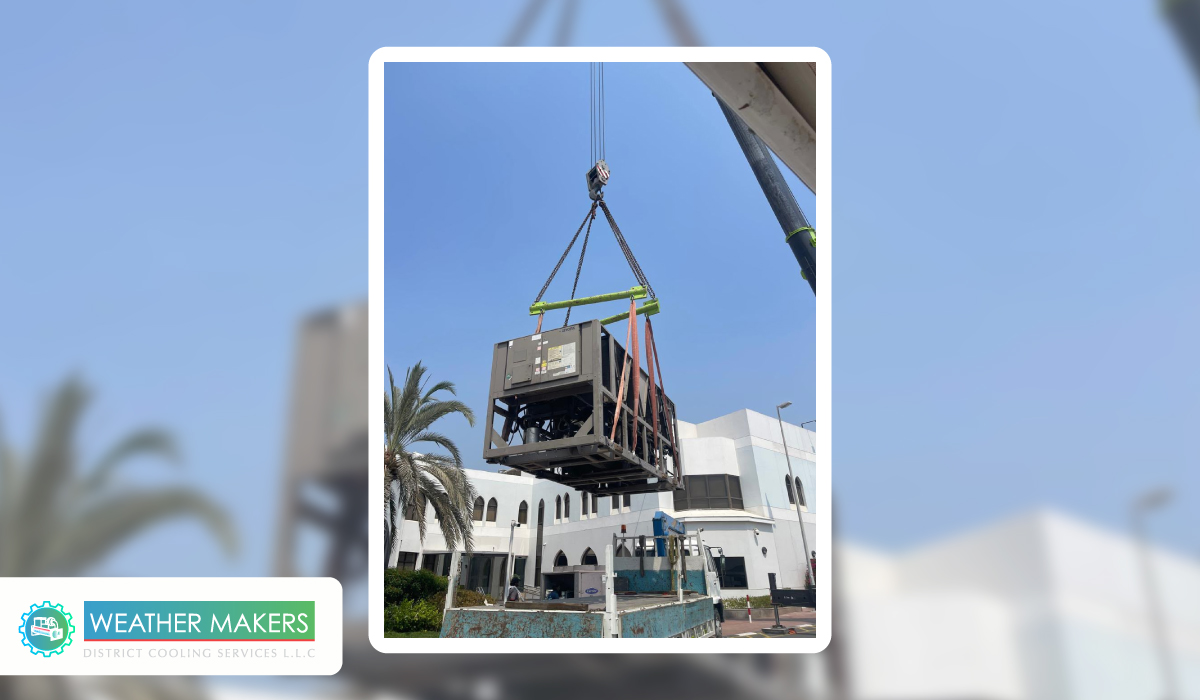
- Transport and lifting
- Piping modifications
- Electrical work
- Control system changes
- Installation and testing
- Commissioning
- Initial spare parts
- Disposal of old equipment
The condition of the existing plant also matters. If the new chiller does not fit the existing connections, additional work may be needed. Access can also affect the installation cost, especially when large equipment needs to be moved through a restricted area.
Getting these details clear before approval helps prevent unexpected expenses during the project.
CAPEX and What It Means for the Project
CAPEX is the money spent at the beginning of the replacement project. It normally covers the equipment and the work needed to install it.
It is easy to target this number. It appears clearly on a quotation. However, it does not tell the whole story.
Suppose one chiller has a lower purchase price while another costs more but uses less electricity. If the equipment runs for long hours every year, the difference in energy use can become significant.
This is why the initial price should be compared with expected operating costs. The cheapest quotation is not automatically the lowest-cost option over the equipment’s full working life.
OPEX Continues After Installation
OPEX covers the costs that continue after the chiller is installed. Electricity is usually one of the main expenses, but there are other costs to consider.
Regular inspections, cleaning, spare parts, repairs, water treatment, and technical service can all add to the yearly budget.
Chiller energy efficiency is therefore an important part of the financial comparison. An efficient system may reduce the usage of electricity, given that it is correctly selected and operated.
Real site conditions must be considered when assessing these savings. Operating time, demand for cooling, temperatures of chilled water, controls, and load patterns can all affect energy consumption.
Why Lifecycle Costing Matters
Lifecycle costing looks at what the chiller is likely to cost from installation through the end of its useful life.
This gives the owner a wider view of the investment. Instead of asking only, “How much does the new chiller cost?”, it is useful to ask what the system will cost to own and operate over several years.
A basic lifecycle review can include:
- Initial purchase and installation
- Annual electricity use
- Planned maintenance
- Repair expenses
- Major component replacement
- Possible downtime
- End-of-life removal
This is not a complicated financial model. Even a direct comparison over a few years can show important differences between the available options.
When a Retrofit May Make Sense
A full replacement is not always necessary. Sometimes the existing chiller is still in reasonable condition, but certain parts of the system need improvement.
A chiller retrofit in Dubai can be considered when the equipment has useful life remaining and selected upgrades could improve its operation. Based on the system, the work may involve controls, drives, compressors, sensors, or other components.
Before selecting an upgrade, the facility should look at the condition and age of the existing equipment.
It is useful to check:
- Remaining equipment life
- Current energy consumption
- Repair history
- Availability of spare parts
- Existing cooling capacity
- Future cooling requirements
- Expected maintenance expenses
A retrofit may lower the starting investment. It should still be compared with the cost and life of a new system.
Maintenance Should Be Included in the Calculation
Maintenance is an ongoing expense. It should be included when comparing an old chiller with a replacement.
Planned chiller system maintenance helps keep the device in good working condition. It can also reveal problems before they become expensive failures.
Regular chiller maintenance can include inspections, cleaning, operating-condition checks, and reviews of key components. The real work depends on the device and its condition.
Maintenance records are always useful when making a decision of replacement. If an older chiller has required regular repairs over the past few years, include those costs in the financial comparison.
Looking at maintenance records gives the owner a better idea of the real cost of keeping an ageing system in service.
The Whole Chiller Plant Matters
A chiller is part of a cooling plant. Pumps, heat exchangers, cooling towers, controls, valves, and piping all have an effect on system performance.
Chiller plant efficiency can suffer when supporting equipment is not working properly. Poor water flow, dirty heat transfer surfaces, incorrect settings, and control problems can raise the use of energy.
For larger facilities, chiller plant maintenance should cover the wider cooling system rather than focusing only on the main chiller. Regular checks can help identify problems in supporting equipment before they affect overall performance.
A plant assessment can help identify where the actual problems are. It can show whether the main issue is the chiller itself or another part of the system.
Selection of Equipment Based on Real Use
Latest equipment can offer very good output, but the selection must match the way the facility actually operates.
High efficiency chillers can provide less energy consumption under suitable conditions. However, rated performance figures do not always represent what happens throughout the year.
Many cooling systems spend a large amount of time operating at part load. Part-load performance can therefore be important when estimating annual energy use.
The selection should take account of:
- Required cooling capacity
- Full-load performance
- Part-load performance
- Operating hours
- Chilled water temperatures
- Control requirements
- Maintenance needs
The equipment should be selected for the facility’s real requirements rather than simply choosing the largest or most efficient model on paper.
Look at Heat Transfer Before Replacing Equipment
Poor performance does not always mean that the chiller itself needs to be replaced.
Heat transfer surfaces can become dirty or affected by scaling over time. This can make the system work harder and reduce its cooling performance.
Heat exchanger performance should therefore be checked during a technical assessment. Cleaning or corrective work may improve performance in some cases.
This does not mean that replacement should be avoided. An old or unreliable chiller may still need to be replaced. The important point is to identify the actual reason for poor performance before spending money on a major project.
The Financial Effect of a Chiller Failure
An unexpected chiller breakdown can create costs that are difficult to predict.
The repair itself may be expensive. There can also be disruption to building operations if cooling is unavailable for an extended period.
The impact depends on the type of facility. Some buildings may be able to operate with reduced cooling for a short period. Others may need continuous cooling for equipment, processes, or occupied areas.
For facilities where cooling is critical, emergency chiller repair may be required when a serious failure occurs. Having a response plan can reduce confusion and help the facility deal with an unexpected shutdown more effectively.
This is one reason why replacement planning should begin before the existing chiller reaches a critical condition. Early planning gives the facility more time to compare options and arrange the work properly.
Planning the Installation Properly
Chiller replacement involves more than taking out an old unit and putting in a new one. The installation needs to be planned around the building and its operating schedule.
Site access, lifting arrangements, electrical connections, piping, controls, water systems, and shutdown requirements should all be reviewed before work starts.
After installation, chiller commissioning services can be used to check whether the new system is operating as required.
Commissioning should cover the relevant equipment and controls. It also allows identifying problems before the system is placed into normal long-term operation.
Good planning can make the installation smoother and reduce unnecessary disruption to the facility.
Emergency support is also important. Looking for chiller repair near me may be necessary when an unexpected fault affects the cooling system. However, emergency repairs should not replace regular checking and planned maintenance.
Keeping a clear service history can also help when the next replacement decision is being considered.
What Should Be Compared Before Approval?
Before approving a replacement, facility managers should look at more than one number.
A useful comparison can include:
- Initial project cost
- Expected annual electricity cost
- Planned maintenance expenses
- Previous repair costs
- Expected equipment life
- Installation requirements
- Possible downtime
- Future cooling demand
This makes the discussion more practical and gives the owner clarity about what the investment may look like over several years.
A replacement should be based on the condition of the existing device, expected cost, and the needs of the facility.
A new chiller still needs regular attention. Proper servicing helps maintain performance and can identify problems at an early stage.
When looking for chiller services near me, facility managers should consider the team’s experience, technical knowledge, response arrangements, and familiarity with the installed equipment.
Conclusion
View chiller replacement cost over the full life of the equipment. The cost of purchase in the starting point is very important.
Use of energy, maintenance, repairs, plant performance, installation work, and expected equipment life can all change the total cost. A proper comparison helps owners understand these costs before committing to a major investment.
A lifecycle approach can also show whether a full replacement or a targeted upgrade makes more sense for the facility. The good selection is based on the present system’s condition and the building’s future cooling needs.
For a major cooling asset, careful planning is worth the effort. It gives the facility a clearer budget and reduces the unexpected chance costs later.
Weathermakers District Cooling Services LLC can help assess your cooling system and replacement requirements.
Frequently Asked Questions
What does chiller replacement cost include?
Chiller replacement cost can include equipment, removal, installation, electrical work, piping changes, controls, testing, and commissioning.
Why should OPEX be considered when replacing a chiller?
OPEX includes energy, maintenance, repairs, and other running expenses. These costs can have a major effect on the total cost over the equipment’s working life.
Is a retrofit always cheaper than replacement?
Not always. The correct option depends on the age of the device, condition, remaining life, repair history, and future cooling needs.

No comment